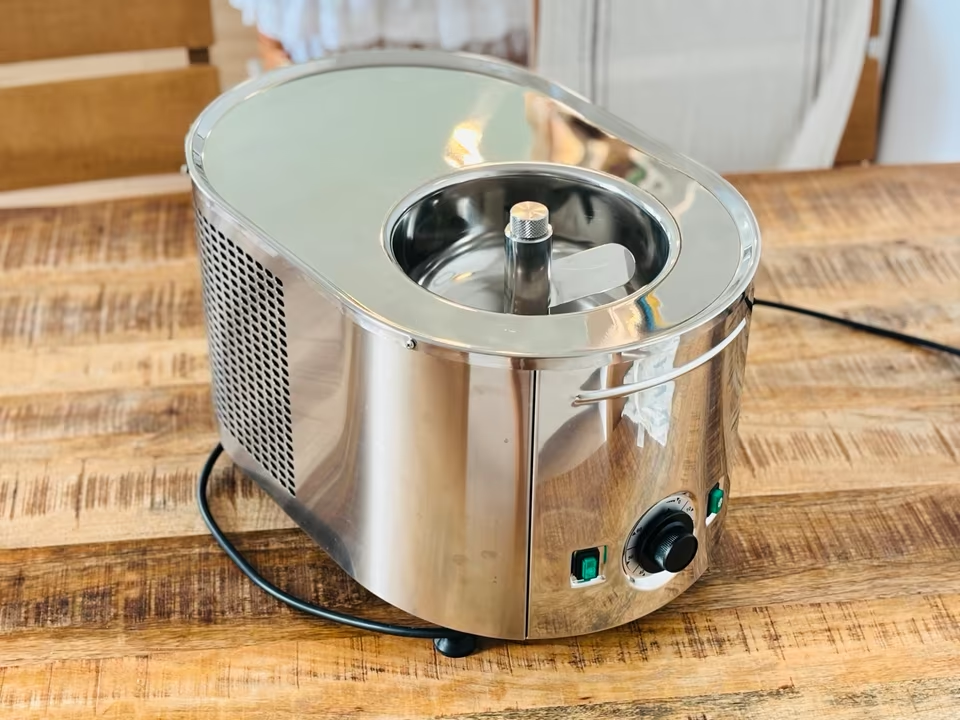
As the strategic and creative force behind “Kem Hạnh Phúc,” a brand synonymous with artisanal quality and joyful experiences, I’m thrilled to delve into the heart of what makes our frozen dreams a reality: the commercial ice cream maker. This isn’t just a piece of equipment; it’s the beating heart of any thriving dessert business, a true investment in consistency, quality, and the sheer delight of your customers. Choosing the best commercial ice cream maker can elevate your offerings, streamline operations, and ultimately, churn out greater profits.
|
Our Picks for the Best Ice Cream Maker in 2026
As an Amazon Associate I earn from qualifying purchases.
|
||
| Num | Product | Action |
|---|---|---|
| 1 | Ninja NC301 CREAMi Ice Cream Maker, for Gelato, Mix-ins, Milkshakes, Sorbet, Smoothie Bowls & More, 7 One-Touch Programs, with (2) Pint Containers & Lids, Compact Size, Perfect for Kids, Silver |

|
| 2 | Cuisinart Ice Cream Maker Machine, 2-Quart Ice Cream, Sorbet and Frozen Yogurt Machine, Fully Automatic Double-Insulated Freezer Bowl Makes Frozen Desserts in Under 30 Minutes, ICE30BCP1, Silver |
|
| 3 | Ninja CREAMi Deluxe Ice Cream & Frozen Treat Maker for Ice Cream, Sorbet, Milkshakes, Frozen Yogurt, & More, 11-in-1, XL Capacity, Silver, Includes (2) Family-Sized 24 oz. Tubs, NC501 |
|
| 4 | At-Home Rolled Ice Cream Maker Kit, Portable Rolled Instant Ice Cream Maker Machine Tray, DIY Stainless Steel Homemade Iced Tray with 2 Scrapers, Freeze Dessert Board for Fun Freezer Desserts, Family |
|
| 5 | Ninja CREAMi Scoop & Swirl Ice Cream and Soft Serve Maker, Sorbet, Milkshake, Frozen Yogurt, Low Calories Program & More, 13-in-1, Soft Serve Handle & (2) CREAMi 2-in-1 16oz Pints, NC701 |
|
| 6 | Cuisinart Ice Cream Maker Machine, 2-Quart Stainless Steel Frozen Yogurt, Gelato, Sorbet, Ready in 20 Minutes, LCD Screen and Timer, ICE-70P1 |
|
| 7 | Dash My Pint Ice Cream Maker - Compact & Convenient Single-Serving Ice Cream Maker - Makes Gelato, Sorbet & Frozen Yogurt - 1.6 Cups, Aqua |
|
| 8 | Cuisinart Ice Cream Maker Machine, 1.5 Quart Double Insulated Machine, Sorbet and Frozen Yogurt Maker, Ready in 20 Minutes, ICE-21RP1, Red |
|
| 9 | Nostalgia Electric Ice Cream Maker - Old Fashioned Soft Serve Ice Cream Machine Makes Frozen Yogurt or Gelato in Minutes - Fun Kitchen Appliance - Vintage Wooden Style - Light Wood - 4 Quart |
|
| 10 | Cuisinart Ice Cream Maker Machine, 1.5 Quart Double Insulated Machine, Sorbet and Frozen Yogurt Maker, Ready in 20 Minutes, ICE-21P1, White |
|
What Makes a Commercial Ice Cream Maker Indispensable?
At its core, a commercial ice cream maker is a powerhouse designed for efficiency and volume, far surpassing its home-use counterparts. It ensures that every scoop, swirl, or dollop of frozen dessert meets professional standards, consistently delivering the perfect texture and flavor. For businesses ranging from bustling gelaterias and gourmet restaurants to charming cafes and dedicated ice cream parlors, these machines are not merely convenient; they are essential for meeting high demand, maintaining product integrity, and securing a competitive edge in the vibrant frozen dessert market. They allow for precise control over ingredients and freezing processes, crucial for crafting everything from classic vanilla to adventurous, exotic flavors.
Understanding the Sweet Spectrum: Types of Commercial Ice Cream Makers
The world of commercial ice cream makers is diverse, each type catering to specific business needs and product styles. Understanding these distinctions is key to selecting the best commercial ice cream maker for your operation.
Soft Serve vs. Hard Serve/Batch Freezers
The primary distinction lies in the final product’s consistency and how it’s dispensed.
Soft Serve Machines
Soft serve machines produce a lighter, airier, and slightly warmer frozen dessert, dispensed directly into cones or cups. They are ideal for high-volume, quick-serve environments.
- Gravity-Fed Machines: These machines rely on gravity to feed the mix into the freezing cylinder. They are known for producing a denser, more flavorful soft serve due to lower “overrun” (less air incorporated). They are generally more affordable and easier to maintain with fewer moving parts.
- Pressure-Fed (Pump-Fed) Machines: Utilizing a pump to force mix into the freezing cylinder, these machines control the amount of air introduced, resulting in a higher, more consistent overrun. This creates a softer, creamier product, often preferred for its light texture. While more expensive and complex to clean, they excel in high-volume production and consistent product quality.
Batch Freezers (Hard Serve Machines)
Batch freezers produce a firmer, denser ice cream, gelato, or sorbet that is typically scooped and requires an additional hardening phase in a freezer before serving.
- Horizontal Batch Freezers: These are workhorses for high-volume production of traditional ice cream, gelato, custard, and sorbet. They efficiently churn large quantities, allowing operators to scoop the freshly made product into pans for storage or further processing, ensuring consistent texture.
- Vertical Batch Freezers: Dispensing product vertically, these machines are excellent for adding mix-ins during production, offering flexibility for custom creations. They are popular for gelato, sorbet, and frozen yogurt, allowing for experimentation with unique flavor combinations.
- Multi-Functional Batch Freezers: These versatile units can heat, mix, cool, and freeze ingredients within a single machine. Beyond frozen desserts, they can prepare pastry creams, mousses, and jellies, making them a space-saving and efficient solution for diverse culinary needs.
Form Factor: Countertop vs. Floor Models
Space and production volume often dictate the machine’s size.
- Countertop Installation: Compact and ideal for businesses with limited floor space, countertop models are perfect for front-of-house operations. They are easy to install, operate, and maintain, suitable for low to medium-volume service, typically producing between 9.5 to 53 quarts per hour.
- Free-Standing (Floor) Installation: Designed for medium to high-volume service, these machines offer greater capacity (around 30 to 150 quarts per hour) and a wider range of features. They require dedicated floor space but offer excellent flexibility for both back-of-house and prominent front-of-house displays.
Cooling Systems: Air-Cooled vs. Water-Cooled
The cooling mechanism impacts efficiency, placement, and noise.
- Air-Cooled Ice Cream Machines: These units use fans to draw in ambient air to cool the condensing unit. They are simpler to install, requiring only a power connection, offering flexible placement. However, they need ample clearance for ventilation (around six inches from walls), generate more heat and noise, and perform best in air-conditioned environments.
- Water-Cooled Ice Cream Machines: Using circulating water to cool refrigeration components, these machines run quieter and more efficiently, especially in warm environments. They require a water line connection for supply and drainage, which can limit placement options and involve higher upfront plumbing costs. However, they eliminate the need for significant wall clearance.
Key Features to Scoop Up: What to Look for in Your Best Commercial Ice Cream Maker
When selecting the best commercial ice cream maker, several critical features should guide your decision, ensuring your investment aligns perfectly with your business goals and operational demands.
Production Capacity
This is paramount. Evaluate your hourly production needs. A small cafe might need 15-20 liters per hour, while a busy ice cream shop could require 30 liters per hour or more. Consider the machine’s output in liters per hour or servings per hour to match your expected peak demand.
Build Quality & Durability
Commercial kitchens are demanding environments. Look for machines constructed from heavy-duty, food-grade stainless steel. This ensures longevity, resistance to corrosion, and easy sanitation, crucial for daily rigorous use. Robust construction is a hallmark of the best commercial ice cream maker.
Flavor Capability
- Single-Flavor Machines: Simpler and often more affordable, ideal if you specialize in one or two signature flavors.
- Dual-Flavor Machines: Offer two distinct flavors.
- Twist-Flavor Machines: Often combined with dual-flavor units, these allow customers to combine two flavors into a single swirl, providing variety without needing multiple machines.
Ease of Cleaning & Maintenance
Daily cleaning is non-negotiable for food safety. Machines with fewer parts to disassemble, intuitive cleaning cycles, or integrated pasteurization functions can significantly reduce labor time. An auto-clean function, if available, is a major advantage. Regularly checking O-rings and seals, and applying food-grade lubricant as per the manufacturer’s guide, extends the machine’s lifespan.
Power & Electrical Requirements
Most commercial ice cream makers require a dedicated 220V circuit. Always verify the manufacturer’s specifications and consult a qualified electrician to ensure your facility’s electrical system can support the machine’s power draw. Overlooking this can lead to operational issues and safety hazards.
Efficiency
Consider energy consumption and freeze times. An efficient compressor and well-designed refrigeration system will lead to lower operating costs and faster production, particularly important during peak hours.
Controls
Modern commercial ice cream makers often feature intuitive digital control panels. These allow for precise temperature adjustments, programmable hardness settings, and easy monitoring of the freezing process, ensuring consistent product quality.
Brand Reputation & Support
Reputable brands like Carpigiani, Taylor, Spaceman, SaniServ, Vevor, and Musso Pola are often lauded for their reliability, durability, and customer support. Choosing a brand with a strong track record and readily available parts and service ensures peace of mind and minimizes downtime. As Chef Antoine Dubois, a seasoned patissier and frozen dessert consultant, often says, “The true value of a commercial ice cream maker isn’t just in its initial performance, but in its unwavering reliability and the support you receive when you need it most. It’s an investment in uninterrupted sweetness.”
Kem Hạnh Phúc’s Top Picks: A Glimpse at Excellence
While specific model recommendations can change with innovations, the principles that define the best commercial ice cream maker remain constant. Our evaluations at Kem Hạnh Phúc highlight machines that excel in specific operational scenarios.
High-Volume Powerhouses
For businesses with relentless demand, machines renowned for their robust construction and impressive production capacities, like those offered by Carpigiani or Taylor, are unparalleled. They are engineered to operate continuously, maintaining consistent quality even during the busiest rushes, producing smooth, perfectly frozen desserts hour after hour.
Versatile Multi-Flavor Options
To cater to diverse palates and offer exciting choices, machines with multi-flavor capabilities, such as certain Vevor or SaniServ models with their dual hoppers and twist features, are invaluable. They allow you to offer two distinct flavors and a popular “twist” option from a single unit, maximizing menu variety and customer satisfaction without increasing your footprint.
Space-Saving Champions
For operations with limited space, compact yet powerful countertop units are the heroes. Brands like SaniServ excel in delivering professional-grade performance in a smaller footprint, making them ideal for cafes, food trucks, or smaller restaurant setups where every inch of counter space counts. These machines prove that you don’t need a huge machine to make a huge impact on your menu.
Beyond the Machine: Maximizing Your Ice Cream Maker’s Potential
Owning the best commercial ice cream maker is just the beginning. To truly unlock its potential and ensure long-term success, focus on smart usage, diligent maintenance, and creative application.
Usage Tips
- Pre-Cooling: Always pre-cool your machine before adding the mix. This reduces the freezing time and ensures optimal consistency from the very first batch.
- Quality Ingredients: The machine can only be as good as the ingredients you put into it. Use high-quality dairy, fruits, and flavorings for superior taste and texture.
- Proper Mix Preparation: Ensure your ice cream mix is thoroughly chilled and properly incorporated before adding it to the machine. This prevents inconsistent freezing.
Maintenance Schedule
A strict maintenance routine is crucial for extending the lifespan of your investment.
- Daily Cleaning: Disassemble and thoroughly clean all food-contact parts using approved sanitizing solutions. This prevents bacterial growth and maintains flavor integrity.
- Seal Inspection: Weekly checks of O-rings and seals for wear or damage are vital to prevent leaks and ensure efficient operation. Replace them promptly if any signs of degradation are observed.
- Lubrication: Apply food-grade lubricant to moving parts as per the manufacturer’s schedule to ensure smooth operation and prevent premature wear.
- Preventive Maintenance: Schedule professional service every 3-6 months. Experts can inspect refrigeration systems, mechanical components, and overall performance, addressing minor issues before they become costly problems.
- Water Quality: For water-cooled machines, consider a water filtration system to prevent mineral buildup in cooling lines, which can impact efficiency and machine health.
Creative Recipes & Business Growth
Your commercial ice cream maker is a canvas for culinary innovation.
- Dairy-Free Alternatives: Most machines can produce delicious dairy-free options using coconut, almond, or oat milk bases. This caters to a wider audience and growing dietary preferences. Remember to clean thoroughly between dairy and non-dairy batches to prevent cross-contamination.
- Unique Flavors: Experiment beyond the classics. Think seasonal fruit sorbets, spiced gelato, or savory ice cream infusions. The capabilities of the best commercial ice cream maker allow for endless flavor exploration.
- Profitability: By producing your own high-quality frozen desserts in-house, you gain greater control over ingredients, costs, and profit margins. Offer unique selling points and elevate your brand’s reputation for exceptional treats.
Expert Insight from Chef Elara Chen, Head Pastry Innovator at Kem Hạnh Phúc:
“At Kem Hạnh Phúc, our philosophy is simple: exceptional ice cream starts with exceptional equipment. The right commercial ice cream maker is more than a machine; it’s a partner in creativity and a guardian of quality. It frees us to innovate with flavors, knowing that the foundation of perfect texture and consistency is always assured. This allows us to focus on the artistry, bringing truly unique and delightful experiences to our customers, every single time.”
Frequently Asked Questions (FAQ)
What’s the difference between soft serve machines and batch freezers?
Soft serve machines produce a ready-to-eat product that is dispensed at a warmer temperature (around 21°F/-6°C) and incorporates more air for a lighter texture. Batch freezers create a harder ice cream requiring an additional hardening step in a freezer before serving at a colder temperature (around 10°F/-12°C), resulting in a denser product.
How much power does a commercial ice cream maker require?
Most commercial ice cream makers need 220V power on a dedicated circuit. Smaller countertop models may use around 1,500W, while large floor-standing units can require 3,500W or more. Always check manufacturer specifications and consult an electrician for proper installation.
How often should a commercial ice cream maker be cleaned?
All food-contact parts of commercial ice cream makers must be thoroughly cleaned and sanitized daily to ensure food safety and maintain product quality. This includes disassembling dispensing mechanisms, beaters, and freezing cylinders.
What is the typical lifespan of a commercial ice cream maker?
With diligent maintenance, a high-quality commercial ice cream maker can last 7-10 years or even longer. Premium brands are known to operate for 15+ years with regular servicing and timely component replacements.
Can commercial ice cream makers produce dairy-free alternatives?
Yes, most commercial ice cream makers are capable of producing delicious dairy-free alternatives using various plant-based mixes. However, you might need to adjust settings as non-dairy mixes can freeze differently. Thorough cleaning between dairy and non-dairy batches is crucial for preventing cross-contamination.
Air-cooled vs. water-cooled: Which is better?
Air-cooled machines are easier to install and more flexible in placement but generate more heat and noise. Water-cooled machines run quieter and more efficiently, especially in warm environments, but require plumbing connections. The “better” choice depends on your specific operational environment and installation capabilities.
What are the ongoing costs associated with a commercial ice cream maker?
Ongoing costs include electricity (varying with usage), water (for water-cooled models), cleaning supplies, preventive maintenance services (typically $200-$500 every 3-6 months), and eventual replacement parts like O-rings, seals, and potentially major components like the compressor after several years.
Conclusion
Investing in the best commercial ice cream maker is a pivotal decision for any business aiming to delight customers with exceptional frozen desserts. From understanding the nuanced differences between soft serve and batch freezers to meticulously evaluating capacity, durability, and cleaning ease, every choice contributes to your operational success and product quality. At Kem Hạnh Phúc, we believe that passion for ice cream, combined with the right tools, empowers you to create unforgettable culinary experiences. Choose wisely, maintain diligently, and let your commercial ice cream maker churn out sweet success for years to come. Embrace the art of frozen dessert making, experiment with innovative flavors, and watch your business flourish.