There’s something uniquely heartwarming about the phrase “homemade ice cream.” It evokes images of sunny afternoons, family gatherings, and the satisfying reward of a truly artisanal dessert. At the heart of this classic experience often lies a timeless kitchen marvel: the wooden ice cream maker. More than just an appliance, it’s a testament to tradition, a beacon of simple pleasures, and the key to unlocking creamy, dreamy ice cream that store-bought versions simply can’t match. If you’ve ever wondered about the magic behind this rustic device, you’re in the right place. Let’s delve into the rich history, ingenious mechanics, and the sheer joy that a wooden ice cream maker brings to any home.
|
Our Picks for the Best Ice Cream Maker in 2026
As an Amazon Associate I earn from qualifying purchases.
|
||
| Num | Product | Action |
|---|---|---|
| 1 | Cuisinart Ice Cream Maker Machine, 2-Quart Ice Cream, Sorbet and Frozen Yogurt Machine, Fully Automatic Double-Insulated Freezer Bowl Makes Frozen Desserts in Under 30 Minutes, ICE30BCP1, Silver |

|
| 2 | Ninja NC301 CREAMi Ice Cream Maker, for Gelato, Mix-ins, Milkshakes, Sorbet, Smoothie Bowls & More, 7 One-Touch Programs, with (2) Pint Containers & Lids, Compact Size, Perfect for Kids, Silver |
|
| 3 | At-Home Rolled Ice Cream Maker Kit, Portable Rolled Instant Ice Cream Maker Machine Tray, DIY Stainless Steel Homemade Iced Tray with 2 Scrapers, Freeze Dessert Board for Fun Freezer Desserts, Family |
|
| 4 | Ninja CREAMi Deluxe Ice Cream & Frozen Treat Maker for Ice Cream, Sorbet, Milkshakes, Frozen Yogurt, & More, 11-in-1, XL Capacity, Silver, Includes (2) Family-Sized 24 oz. Tubs, NC501 |
|
| 5 | Dash My Pint Ice Cream Maker - Compact & Convenient Single-Serving Ice Cream Maker - Makes Gelato, Sorbet & Frozen Yogurt - 1.6 Cups, Aqua |
|
| 6 | Ninja CREAMi Scoop & Swirl Ice Cream and Soft Serve Maker, Sorbet, Milkshake, Frozen Yogurt, Low Calories Program & More, 13-in-1, Soft Serve Handle & (2) CREAMi 2-in-1 16oz Pints, NC701 |
|
| 7 | Cuisinart Ice Cream Maker Machine, 2-Quart Stainless Steel Frozen Yogurt, Gelato, Sorbet, Ready in 20 Minutes, LCD Screen and Timer, ICE-70P1 |
|
| 8 | Cuisinart Ice Cream Maker Machine, 1.5 Quart Double Insulated Machine, Sorbet and Frozen Yogurt Maker, Ready in 20 Minutes, ICE-21P1, White |
|
| 9 | Cuisinart Ice Cream Maker Machine, 1.5 Quart Double Insulated Machine, Sorbet and Frozen Yogurt Maker, Ready in 20 Minutes, ICE-21RP1, Red |
|
| 10 | Nostalgia Electric Ice Cream Maker - Old Fashioned Soft Serve Ice Cream Machine Makes Frozen Yogurt or Gelato in Minutes - Fun Kitchen Appliance - Vintage Wooden Style - Light Wood - 4 Quart |
|
The Sweet History of the Wooden Ice Cream Maker
The journey of frozen desserts stretches back centuries, with early civilizations savoring iced drinks and fruit mixtures. Yet, the creation of what we recognize as ice cream truly began to take shape in the 16th century in Italy, where the discovery of salt’s ability to depress the freezing point of ice revolutionized cooling techniques. This innovation paved the way for more sophisticated frozen treats, but making them remained a labor-intensive luxury, often reserved for royalty and the elite.
The real breakthrough that democratized ice cream came in 1843, thanks to an ingenious inventor named Nancy M. Johnson. She patented what she called an “artificial freezer,” a hand-cranked device that forever changed how ice cream was made. Johnson’s design was brilliant in its simplicity: an inner metal canister holding the ice cream mix, nestled within an outer wooden bucket filled with a mixture of ice and rock salt. A hand-crank mechanism rotated a paddle, or dasher, inside the inner canister, churning the mixture as it froze. This continuous stirring was crucial, as it prevented the formation of large ice crystals and resulted in the uniformly smooth and creamy texture we adore. Her invention made ice cream accessible to the masses, moving it from the exclusive domain of the aristocracy to a beloved treat for everyone.
How a Wooden Ice Cream Maker Churns Perfection
Understanding the magic of a wooden ice cream maker is all about appreciating its clever, yet straightforward, design. It’s a symphony of simple components working together to transform liquid cream into a delectable frozen dessert.
At its core, a wooden ice cream maker consists of four main parts:
- The Wooden Bucket (Outer Container): This sturdy bucket, typically made from pine or cedar, serves as the insulating chamber. Its natural properties help maintain a consistently cold environment for the freezing process.
- The Inner Metal Canister: Placed inside the wooden bucket, this cylindrical container holds your prepared ice cream mixture. It’s usually made of aluminum or stainless steel, materials that efficiently transfer cold.
- The Dasher (Paddle): A central spindle with attached paddles fits inside the inner canister. As it rotates, the dasher scrapes the freezing mixture from the sides of the canister and constantly churns the ice cream, preventing ice crystal formation and incorporating air for a smooth, light consistency.
- The Hand-Crank Mechanism: This is the heart of the “hand-crank” experience. A set of gears attached to the dasher and the lid allows you to manually turn the paddle, initiating the churning process. Modern versions may replace this with an electric motor, but the basic principle remains.
The science behind the freeze is fascinating. You fill the space between the wooden bucket and the metal canister with a generous amount of ice and rock salt. The salt lowers the freezing point of the ice, creating a super-chilled brine (as low as -6°F or -21°C). This intensely cold mixture then draws heat away from your ice cream base in the inner canister, causing it to freeze. As you turn the crank, the dasher continuously scrapes the thickening mixture from the cold walls, ensuring an even freeze and that signature creamy texture. Patience, as any ice cream enthusiast knows, is indeed a virtue during this freezing process.
Types of Wooden Ice Cream Makers: Hand-Crank vs. Electric
When you think of a wooden ice cream maker, the classic hand-crank model often comes to mind – and for good reason. This is the traditional design that Nancy Johnson first introduced, offering a truly hands-on, nostalgic experience. The satisfying rhythmic turning of the crank, the gradual thickening of the mixture, and the eventual reveal of perfectly churned ice cream are all part of the charm. For many, the manual effort adds to the reward, making the final scoop taste even sweeter. It’s a connection to a simpler time, a family activity, and an exercise in patience.
However, the world of wooden ice cream makers has also evolved. You can now find electric versions that retain the beautiful wooden bucket aesthetic but automate the churning process with a built-in motor. These offer the best of both worlds: the traditional look and the ease of modern technology. While they might take away some of the manual labor, they still rely on the same ice-and-salt method for freezing, ensuring the authentic taste and texture associated with bucket churners. Brands like White Mountain, an early manufacturer, still offer both hand-crcrank and electric models today.
Mastering Your Wooden Ice Cream Maker: Tips for Success
Making homemade ice cream with a wooden ice cream maker is a delightful process, but a few insider tips can elevate your results from good to absolutely legendary.
- Chill Your Mix Thoroughly: Always start with a well-chilled ice cream base. This dramatically reduces the freezing time and helps achieve a smoother consistency.
- The Perfect Ice-to-Salt Ratio: A common and effective ratio is about 6 parts ice to 1 part rock salt. Distribute layers of ice and salt evenly around the inner canister. The salt is key to creating that super-cold brine that freezes your ice cream.
- Pack It Tight, Keep It Cold: Pack the ice and salt mixture densely around the canister, ensuring it reaches the top of the canister for even freezing. You might need to add more ice and salt as it melts.
- Patience is a Virtue: The churning process can take anywhere from 20 to 40 minutes for hand-crank models, and sometimes longer. Don’t rush it! Keep cranking until the mixture reaches a soft-serve consistency and the crank becomes difficult to turn.
- Secure Assembly: Ensure the lid, dasher, and motor (if electric) are securely in place before you start. A loose fit can lead to uneven churning or spills.
- The “Ripening” Stage: Once your ice cream is churned to a soft consistency, remove the dasher, cover the canister, and drain the salty water from the bucket. Then, repack the bucket with fresh ice and a little more salt, covering the top of the canister. Drape a towel over the bucket and let the ice cream “ripen” for another 30-60 minutes. This hardens the ice cream to a firmer, scoopable texture and allows the flavors to deepen.
Beyond the Basics: Creative Recipes and Flavors
The beauty of a wooden ice cream maker is the freedom it gives you to experiment with an endless array of flavors. While classic vanilla and rich chocolate are always crowd-pleasers, don’t be afraid to venture into new culinary territory.
- Classic Comforts: Start with a robust vanilla bean, a decadent chocolate, or a fresh strawberry recipe. These timeless flavors are perfect for showcasing the creamy texture achieved by your wooden ice cream maker.
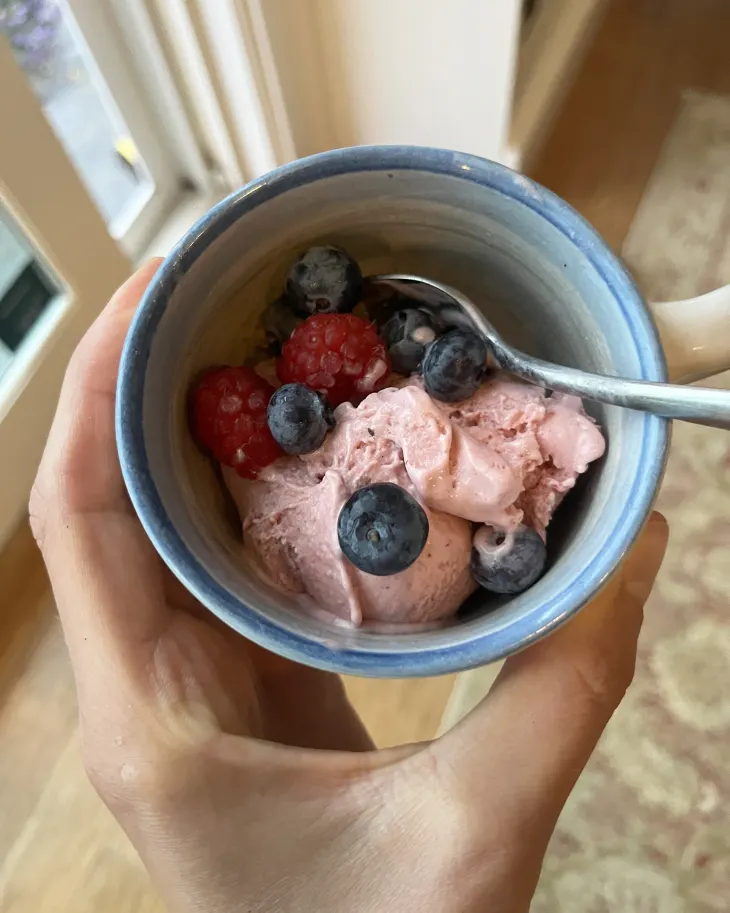
- Fruity Fantasies: Explore seasonal fruits like peaches, raspberries, or blueberries. Blend them into your base for vibrant sorbets or chunky fruit ice creams.
- Exotic Adventures: Infuse flavors like matcha green tea, lavender, cardamom, or even chili for a surprising kick.
- Boozy Bliss: For adult palates, a splash of liqueur like Kahlúa, amaretto, or bourbon can add a sophisticated twist to your creations. Remember to add alcohol near the end of the churning process to prevent it from inhibiting freezing.
- Mix-in Madness: Swirl in cookie dough, brownie chunks, toasted nuts, chocolate chips, caramel, or fruit purees during the last few minutes of churning for delightful textural contrasts.
Serve your homemade creations in chilled bowls or cones, garnished with fresh fruit, a drizzle of sauce, or a sprinkle of your favorite toppings. The possibilities are truly as boundless as your imagination!
The Undeniable Benefits of Homemade Ice Cream with a Wooden Maker
Why go through the charmingly hands-on process of using a wooden ice cream maker when you could just grab a tub from the store? The reasons are as satisfying as the first spoonful.
- Unparalleled Freshness and Flavor: Nothing compares to the taste of freshly churned ice cream made with real, high-quality ingredients. You control every element, ensuring a vibrant flavor profile.
- Ingredient Control: If you have dietary restrictions, allergies, or simply want to avoid artificial additives, a wooden ice cream maker empowers you. You can choose organic ingredients, reduce sugar, opt for dairy-free alternatives, and know exactly what goes into your dessert.
- A Fun Family Activity: The process of making ice cream with a hand-crank wooden maker is an engaging activity for all ages. It fosters teamwork, teaches a little science, and creates lasting memories. It’s an experience that transcends mere eating.
- Nostalgia and Tradition: For many, the wooden ice cream maker is a link to childhood memories or a simpler era. It brings a sense of authenticity and tradition to your kitchen.
- The Joy of Creation: There’s immense satisfaction in creating something delicious from scratch. The effort put into churning transforms into a sense of accomplishment, making that first scoop taste even sweeter.
“The wooden ice cream maker isn’t just a kitchen appliance; it’s a bridge to culinary history, a tangible link to how generations before us celebrated simple pleasures. The rhythmic churn and the anticipation build not just a dessert, but a cherished memory,” says Dr. Eleanor Vance, a culinary historian specializing in dessert traditions.
Troubleshooting Common Wooden Ice Cream Maker Issues
Even seasoned ice cream makers occasionally encounter a hiccup. Here are some common issues and how to resolve them:
- Ice Cream Not Freezing:
- Check salt: Did you add enough rock salt? Too little salt won’t create the necessary super-cold brine.
- Ice melting too fast: Ensure your bucket is packed tightly and replenished as needed. Avoid direct sunlight.
- Warm ingredients: Make sure your ice cream base was thoroughly chilled before starting.
- Too Many Ice Crystals:
- Insufficient churning: You need to churn continuously until it thickens to prevent large crystals.
- Recipe issue: Some recipes might have too much water or not enough fat, which can lead to icier results.
- Cranking Becomes Too Difficult:
- This is often a sign that your ice cream is ready! It means the mixture has frozen solid enough to resist the dasher.
- Wooden Bucket Care:
- Leaking: Ensure the wooden bucket is fully soaked before use (fill with water for an hour or two) to swell the wood and prevent leaks.
- Cleaning: After use, rinse the wooden bucket, but avoid harsh detergents. Let it air dry completely. For the metal canister and dasher, wash with warm soapy water and dry thoroughly to prevent rust.
Frequently Asked Questions
How long does it typically take to make ice cream in a wooden ice cream maker?
The process usually takes between 20 to 40 minutes of continuous churning, plus an additional 30-60 minutes for “ripening” if you prefer a firmer consistency.
What kind of salt should I use for my wooden ice cream maker?
Rock salt (also known as ice cream salt) is recommended because its coarse grains melt slower and create a colder brine, optimizing the freezing process.
Can I use my wooden ice cream maker indoors?
Yes, you can! Just be mindful that the melting ice and salt mixture will create saltwater, so place the maker in a large pan or basin to catch any runoff and protect your floors.
How much ice and salt do I need for a standard 4-quart wooden ice cream maker?
For a 4-quart machine, you’ll generally need about 10-12 pounds of ice and 2-3 pounds of rock salt. Adjust based on your maker’s specific capacity.
How do I clean my wooden ice cream maker?
Wash the metal canister and dasher with warm, soapy water and dry them completely. Rinse the wooden bucket with plain water and allow it to air dry thoroughly before storing to prevent mold or mildew.
Conclusion
The wooden ice cream maker is more than just a piece of culinary equipment; it’s an invitation to slow down, connect with tradition, and create something truly special. From its revolutionary origins with Nancy Johnson to its enduring presence in modern kitchens, this classic churner offers an unparalleled journey into the art of homemade ice cream. It’s about the anticipation, the effort, and ultimately, the pure, unadulterated joy of scooping out your very own, perfectly creamy creation. So, gather your ingredients, prepare your ice and salt, and embrace the delightful process of making happiness, one churn at a time, with your trusty wooden ice cream maker.