Imagine a world where your favorite ice cream flavor is always just a churn away, perfectly crafted to your taste, with the freshest ingredients. This isn’t a fantasy; it’s the reality a countertop ice cream maker brings right into your kitchen. These compact culinary companions are transforming the way we enjoy frozen desserts, offering a delightful journey from simple ingredients to a creamy, dreamy scoop of happiness. If you’ve ever dreamt of crafting gourmet gelato, refreshing sorbet, or classic ice cream without leaving home, then embracing the magic of a countertop ice cream maker is your next adventure.
|
Our Picks for the Best Ice Cream Maker in 2026
As an Amazon Associate I earn from qualifying purchases.
|
||
| Num | Product | Action |
|---|---|---|
| 1 | Nostalgia Electric Ice Cream Maker - Old Fashioned Soft Serve Ice Cream Machine Makes Frozen Yogurt or Gelato in Minutes - Fun Kitchen Appliance - Vintage Wooden Style - Light Wood - 4 Quart |

|
| 2 | Cuisinart Ice Cream Maker Machine, 2-Quart Ice Cream, Sorbet and Frozen Yogurt Machine, Fully Automatic Double-Insulated Freezer Bowl Makes Frozen Desserts in Under 30 Minutes, ICE30BCP1, Silver |
|
| 3 | Ninja NC301 CREAMi Ice Cream Maker, for Gelato, Mix-ins, Milkshakes, Sorbet, Smoothie Bowls & More, 7 One-Touch Programs, with (2) Pint Containers & Lids, Compact Size, Perfect for Kids, Silver |
|
| 4 | Cuisinart Ice Cream Maker Machine, 1.5 Quart Double Insulated Machine, Sorbet and Frozen Yogurt Maker, Ready in 20 Minutes, ICE-21RP1, Red |
|
| 5 | At-Home Rolled Ice Cream Maker Kit, Portable Rolled Instant Ice Cream Maker Machine Tray, DIY Stainless Steel Homemade Iced Tray with 2 Scrapers, Freeze Dessert Board for Fun Freezer Desserts, Family |
|
| 6 | Cuisinart Ice Cream Maker Machine, 1.5 Quart Double Insulated Machine, Sorbet and Frozen Yogurt Maker, Ready in 20 Minutes, ICE-21P1, White |
|
| 7 | Ninja CREAMi Deluxe Ice Cream & Frozen Treat Maker for Ice Cream, Sorbet, Milkshakes, Frozen Yogurt, & More, 11-in-1, XL Capacity, Silver, Includes (2) Family-Sized 24 oz. Tubs, NC501 |
|
| 8 | Cuisinart Ice Cream Maker Machine, 2-Quart Stainless Steel Frozen Yogurt, Gelato, Sorbet, Ready in 20 Minutes, LCD Screen and Timer, ICE-70P1 |
|
| 9 | Dash My Pint Ice Cream Maker - Compact & Convenient Single-Serving Ice Cream Maker - Makes Gelato, Sorbet & Frozen Yogurt - 1.6 Cups, Aqua |
|
| 10 | Ninja CREAMi Scoop & Swirl Ice Cream and Soft Serve Maker, Sorbet, Milkshake, Frozen Yogurt, Low Calories Program & More, 13-in-1, Soft Serve Handle & (2) CREAMi 2-in-1 16oz Pints, NC701 |
|
The Sweet History of Ice Cream Makers
The story of ice cream is a long and rich one, dating back centuries, but the journey to readily available homemade frozen treats began with much simpler devices. Early ice cream making involved a laborious process of hand-cranking a churn within a bucket of ice and salt to slowly freeze the mixture. It was a communal effort, often reserved for special occasions due to the sheer physical exertion required.
Fast forward to the 20th and 21st centuries, and innovation has made ice cream creation a breeze. The advent of electric motors revolutionized the process, removing the manual labor and paving the way for the sleek, efficient countertop ice cream maker we know today. These machines encapsulate decades of development, designed to bring the joy of artisanal ice cream into every home kitchen, without the fuss of yesteryear.
Demystifying the Magic: How Countertop Ice Cream Makers Work
At its heart, an ice cream maker performs two crucial tasks simultaneously: freezing and churning. This dual action is key to achieving that smooth, creamy texture we all adore. As the mixture chills, the churning mechanism constantly agitates it, preventing large ice crystals from forming and incorporating just the right amount of air. This aeration, known as overrun, gives ice cream its light, delightful consistency.
Most countertop models feature a simple design: a specialized bowl where your ingredients go, a paddle or dasher that churns the mixture, and a motor that powers the paddle. Whether it’s a pre-frozen bowl or a built-in compressor, the goal is rapid, consistent chilling coupled with continuous motion, transforming your liquid base into a delectable frozen dessert within minutes to an hour.
Types of Countertop Ice Cream Makers: Finding Your Perfect Match
The world of countertop ice cream makers offers a fantastic variety, each with its own charm and method. Choosing the right one depends on your lifestyle, your passion for planning, and your budget.
Freezer Bowl Models
These are often the most common and budget-friendly option. They feature a double-walled bowl filled with a special coolant gel that must be pre-frozen, typically for 8 to 24 hours, before use.
- How They Work: Once the bowl is thoroughly frozen, you assemble it with the paddle and motor, pour in your chilled ice cream base, and switch it on. The frozen walls of the bowl rapidly cool the mixture while the paddle churns.
- Pros: Generally more affordable, compact for storage (when the bowl isn’t in the freezer), and straightforward to operate.
- Cons: Requires significant pre-planning due to the freezing time, and you can usually only make one batch at a time before the bowl needs refreezing.
Compressor Models
Considered the “set it and forget it” champions, compressor models have a built-in refrigeration unit, much like your refrigerator or freezer.
- How They Work: You simply pour your ingredients into the bowl, select your settings, and the machine does all the work, chilling and churning without any prior freezing.
- Pros: No pre-freezing required, allowing for spontaneous ice cream making and multiple batches back-to-back. They often offer more precise temperature control and firmness settings.
- Cons: Higher initial cost, generally larger and heavier, requiring more dedicated countertop space.
Soft Serve Machines
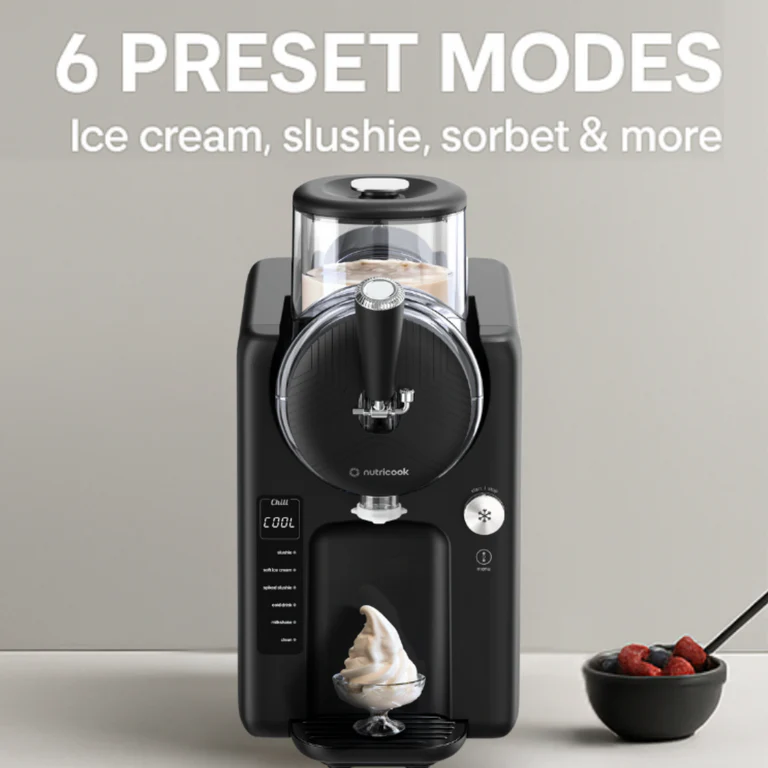
While often associated with commercial settings, some countertop ice cream maker versions are designed for the classic soft-serve experience at home.
- How They Work: These machines focus on maintaining a consistent, softer texture that can be directly dispensed into cones or cups. They typically use a compressor system to keep the dessert at the ideal temperature.
- Pros: Delivers that iconic swirl and airy texture of soft serve, perfect for parties or a nostalgic treat.
- Cons: Can be more specialized and may not achieve the firmer consistency of traditional scooped ice cream.
Blender-Style Makers (e.g., Ninja CREAMi)
A newer innovation, these machines take a different approach, freezing the base solid first, then “creami-fying” it.
- How They Work: You freeze your liquid mixture in special pints for 24 hours. When ready, the pint is placed in the machine, and a powerful blade shaves and processes the frozen block into a creamy, airy dessert in minutes.
- Pros: Exceptionally quick churning time once the base is frozen, versatility for healthy frozen treats (like fruit sorbets), and often maintains creaminess even after re-freezing.
- Cons: Requires pre-freezing the base in specific containers, and some users have reported issues with blade durability.
“The beauty of today’s countertop ice cream makers lies in their diversity,” notes Chef Anya Sharma, a renowned culinary innovator. “Whether you’re a spontaneous dessert creator or someone who loves to meticulously plan, there’s a machine designed to fit your unique culinary rhythm.”
Unleash Your Inner Gelato Maestro: Benefits of Homemade Ice Cream with a Countertop Machine
Owning a countertop ice cream maker is more than just having another kitchen appliance; it’s an invitation to a world of delicious possibilities and unexpected advantages.
Endless Flavor Exploration
This is where the fun truly begins! With your own machine, you’re no longer limited to grocery store selections. Want lavender honey ice cream? Matcha green tea gelato? A rich avocado-lime sorbet? The only limit is your imagination. You can experiment with unique ingredient combinations, seasonal fruits, and international flavors, becoming a true artisan in your own right.
Quality You Control
Homemade means knowing exactly what goes into your dessert. You can choose high-quality, fresh, and organic ingredients, steering clear of artificial flavors, preservatives, and excessive sugars found in many commercial ice creams. This control extends to:
- Healthier Options: Easily swap dairy for plant-based milks, use natural sweeteners like maple syrup or stevia, or create fruit-heavy sorbets for a lighter treat.
- Dietary Needs: Cater to allergies or dietary restrictions with ease, crafting lactose-free, gluten-free, or vegan options tailored to your family’s specific requirements.
Cost-Effectiveness in the Long Run
While there’s an initial investment, a countertop ice cream maker can save you money over time. Premium ice creams and specialty flavors often come with a hefty price tag at the store. Making your own, especially in larger batches, significantly reduces the cost per serving, allowing you to enjoy gourmet quality for less.
Fun for the Whole Family & Entertaining
The process of making ice cream is an experience in itself. It’s a wonderful activity to share with children, teaching them about ingredients and the magic of science. For entertaining, imagine serving a freshly churned dessert that wows your guests, a truly personalized sweet ending to any meal. It transforms a simple dessert into a memorable event.
Getting Started: Using Your Countertop Ice Cream Maker Effectively
Ready to churn your first batch of homemade goodness? Here’s a quick guide to getting the most out of your countertop ice cream maker:
- Chill Your Base: Always start with a well-chilled ice cream base. This is crucial for achieving optimal consistency and reduces the churning time, leading to smoother results. Prepare your mixture in advance and refrigerate it for at least 4 hours, or preferably overnight.
- Pre-Freeze (if applicable): If you have a freezer bowl model, ensure the bowl is completely frozen solid. Place it in the coldest part of your freezer for 12-24 hours. Give it a shake; if you don’t hear liquid sloshing, it’s ready!
- Assemble and Operate: Follow your machine’s instructions for assembly. Place the frozen bowl (or ensure your compressor model is plugged in and ready), insert the paddle, and secure the lid.
- Pour and Churn: Turn on the machine before pouring in your chilled ice cream base. This prevents the mixture from freezing to the bottom of the bowl immediately, allowing for more even churning. Pour the base through the ingredient spout.
- Add Mix-ins: Most recipes call for mix-ins like chocolate chips, nuts, or fruit to be added during the last 5 minutes of churning. This ensures they are evenly distributed without being over-processed or sinking to the bottom.
- Check Consistency: Churn until your ice cream reaches a soft-serve consistency. This usually takes 20-40 minutes, depending on the machine and recipe. For a firmer, scoopable texture, transfer the freshly churned ice cream to an airtight container and freeze for another 2-4 hours.
Keeping Your Machine Churning: Maintenance Tips & Troubleshooting Common Issues
A little care goes a long way in ensuring your countertop ice cream maker remains a reliable source of sweet treats.
Cleaning and Storage
- Immediate Cleaning: Always clean your machine immediately after use. This prevents ingredients from drying and hardening, making cleanup much easier.
- Hand Wash Components: Most paddles, lids, and freezer bowls are not dishwasher safe. Hand wash them with warm, soapy water and dry thoroughly.
- Wipe Down Base: For motorized bases or compressor units, wipe them with a damp cloth. Never immerse them in water.
- Proper Storage: Store your clean, dry machine in a safe place. If you have a freezer bowl model, you might consider storing the bowl in the freezer permanently so it’s always ready for a spontaneous craving.
Troubleshooting Common Problems
- Ice Cream Isn’t Freezing/Too Soupy:
- Check base temperature: Ensure your ice cream base was thoroughly chilled before churning.
- Check freezer bowl: If applicable, verify the freezer bowl was frozen solid for the recommended time.
- Don’t overfill: Too much mixture can hinder proper freezing and churning.
- Ice Cream is Icy/Has Large Crystals:
- Churning speed: Ensure the paddle is churning consistently. Icy texture often results from insufficient churning or slow freezing.
- Ingredient balance: Recipes with too much water or not enough fat/sugar can lead to icier results.
- Storage: Ensure your homemade ice cream is stored in an airtight container to prevent freezer burn and large crystal formation.
- Machine is Loud/Making Strange Noises:
- Check assembly: Ensure all parts are correctly assembled and secured.
- Overload: You might have overfilled the bowl, putting strain on the motor.
- Consult manual: If persistent, refer to your user manual or contact customer support.
Beyond Vanilla: Creative Recipes & Serving Suggestions
With your countertop ice cream maker, the culinary canvas is yours to paint. Here are a few ideas to get your creative juices flowing:
- Classic with a Twist: Elevate vanilla bean ice cream by infusing the cream with fresh rosemary or thyme before churning. For chocolate, add a hint of chili powder or a swirl of dark caramel.
- Fruity & Refreshing: Beyond standard sorbets, try a coconut mango gelato, a raspberry-lime frozen yogurt, or a vibrant mixed berry sorbet. Freeze chunks of fruit and blend them into your base for an intense burst of natural flavor.
- Dairy-Free Delights: Use full-fat coconut milk, almond milk, or cashew cream as a base for rich, creamy dairy-free ice cream. Experiment with flavors like pistachio, coffee, or even a spiced chai.
- Gourmet Gelato: Focus on a lower fat content and less air incorporation for a dense, intense gelato. Hazelnut, stracciatella, or a rich pistachio are fantastic starting points.
- Serving Suggestions:
- Sundae Bar: Offer a variety of homemade flavors with toppings like homemade fudge sauce, fresh berries, chopped nuts, whipped cream, and sprinkles.
- Affogato: Serve a scoop of vanilla bean ice cream with a shot of hot espresso poured over it.
- Ice Cream Sandwiches: Use homemade cookies to create custom ice cream sandwiches.
- Pie à la Mode: A warm slice of apple pie or chocolate lava cake is always better with a scoop of your freshly churned ice cream.
“Creativity is the secret ingredient in any kitchen,” says our expert, Elena Petrova, a renowned dessert chef and author. “Your countertop ice cream maker isn’t just a gadget; it’s a tool for culinary expression. Don’t be afraid to experiment, to combine flavors you love, and to truly make your ice cream your own.”
Frequently Asked Questions About Countertop Ice Cream Makers
How long does it typically take to make ice cream in a countertop machine?
The churning process usually takes between 20 to 40 minutes, depending on the type of machine and the desired consistency. Freezer bowl models often take a bit longer than compressor models. For a firmer ice cream, you’ll need an additional 2-4 hours of freezing after churning.
Do all countertop ice cream makers require pre-freezing the bowl?
No, not all of them. Freezer bowl models, which are generally more affordable, do require the bowl to be pre-frozen for 8-24 hours. However, compressor models have a built-in refrigeration system and do not require any pre-freezing, allowing for immediate use.
Can I make more than one batch of ice cream in a row?
With compressor models, absolutely! Their built-in refrigeration allows for continuous use, so you can make multiple batches without interruption. Freezer bowl models, however, typically require the bowl to be re-frozen for another 8-24 hours after each batch.
Are homemade ice creams made with a countertop machine healthier than store-bought?
They certainly can be! When you make ice cream at home, you have complete control over the ingredients. This allows you to choose fresh, high-quality components, reduce sugar content, use healthier fats, or opt for dairy-free alternatives, making your homemade treats tailored to your dietary preferences.
How should I store homemade ice cream to keep it fresh?
For best results, store freshly churned ice cream in an airtight container. Press a piece of parchment paper or plastic wrap directly onto the surface of the ice cream before sealing the container. This helps prevent ice crystals from forming and extends its freshness in the freezer.
The Scoop of Happiness
A countertop ice cream maker is more than just an appliance; it’s an investment in joy, creativity, and the simple pleasure of a perfectly personalized treat. It offers the freedom to explore an endless spectrum of flavors, the satisfaction of controlling every ingredient, and the delight of sharing homemade goodness with loved ones. At Kem Hạnh Phúc, we believe that happiness is best served frozen, and with your very own countertop ice cream maker, you’re ready to churn out endless scoops of it. So go ahead, embark on your homemade ice cream journey, and discover the sweet satisfaction that awaits!