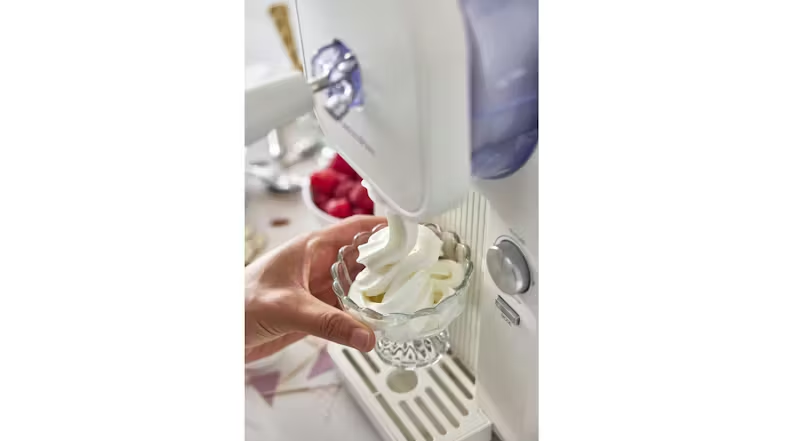
 Imagine the delighted smiles as customers savor a perfectly crafted scoop of ice cream, a cool, creamy indulgence on a warm day. For any aspiring entrepreneur or established business looking to capture hearts and taste buds, a robust Commercial Ice Cream Maker isn’t just a piece of equipment; it’s the heart of your frozen dessert operation. It’s where dreams of delectable flavors become a tangible, tantalizing reality. Choosing the right machine, understanding its nuances, and mastering its potential can truly redefine your business’s success and reputation in the bustling world of sweet treats.
A Scoop of History: The Evolution of Commercial Ice Cream Making
The journey of the commercial ice cream maker is a fascinating tale of innovation, starting from humble beginnings. While homemade ice cream dates back centuries, the breakthrough for commercial production came with Nancy M. Johnson, who patented a hand-cranked ice cream freezer in 1843. This simple yet ingenious device, consisting of an inner pail for the mix surrounded by ice and salt in an outer bucket, made churning easier and more consistent.
Just eight years later, in 1851, Jacob Fussell, a milk dealer from Baltimore, pioneered the first large-scale commercial ice cream operation in the United States. He recognized the potential to transform excess milk into a profitable, delightful dessert. The subsequent development of industrial refrigeration in the 1870s and the invention of the continuous-process freezer in 1926 truly revolutionized the industry, paving the way for the mass production of ice cream we know today. These advancements made ice cream accessible and affordable, turning it from a luxury into a beloved everyday treat.
Why a Commercial Ice Cream Maker is a Game-Changer for Your Business
Investing in a high-quality commercial ice cream maker can dramatically elevate your business. Beyond merely producing frozen desserts, these machines offer a multitude of strategic advantages that contribute to growth and customer loyalty.
Firstly, they ensure consistent texture and quality with every batch. Professional-grade machines are engineered for precision, guaranteeing that your ice cream, gelato, or soft serve maintains that perfect, desirable consistency that keeps customers coming back. Secondly, a commercial ice cream maker allows for unparalleled freshness. Producing ice cream in-house means you serve it at its peak, often resulting in a superior taste profile compared to pre-made options.
Furthermore, these machines unlock immense potential for flavor innovation and menu expansion. You’re not limited to what suppliers offer; instead, you can experiment with unique ingredients, seasonal offerings, and custom creations, catering to diverse palates and dietary needs. This versatility helps attract a broader customer base and boosts the average order value. Finally, from a business perspective, a commercial ice cream maker offers significant cost savings and higher profit margins. By controlling production, ingredients, and quantity, businesses can reduce overheads and maximize profitability, making it a truly sweet investment for long-term success.
Unraveling the Types of Commercial Ice Cream Makers
The world of commercial ice cream makers is diverse, with machines designed for specific textures, volumes, and types of frozen treats. Understanding these distinctions is crucial for selecting the perfect equipment for your operation.
Soft Serve Machines: Creamy Indulgence on Demand
Soft serve machines are perhaps the most recognizable, found in fast-food restaurants, cafes, and dedicated ice cream parlors. These machines are engineered to produce a light, airy, and exceptionally smooth ice cream with that characteristic “soft” texture. They typically feature one or more hoppers, allowing businesses to offer multiple flavors or even create delightful swirl combinations.
When it comes to configuration, you’ll find both countertop models, ideal for smaller spaces with moderate demand, and robust floor-standing models built for high-volume production. Additionally, soft serve machines utilize different feed systems: gravity-fed machines rely on gravity to move the mix, resulting in a denser product with less air (lower overrun), while pressure-fed machines use pumps to incorporate more air, yielding a lighter, higher-overrun product. These versatile machines are also perfectly suited for making frozen yogurt, sorbet, and other soft-textured desserts.
Batch Freezers: Crafting Artisanal Perfection
For those who prioritize dense, rich, and intensely flavored frozen desserts, a batch freezer, often called a hard ice cream machine, is the go-to choice. Unlike soft serve, batch freezers produce “hard” ice cream, gelato, frozen custard, or sorbet in distinct batches, offering superior control over the final product’s texture and consistency. This control is why artisanal ice cream shops often favor them.
Batch freezers come in various capacities, from smaller units perfect for boutique shops to larger models capable of significant output for high-demand operations. You’ll typically find them in two main orientations: horizontal batch freezers which are common in ice cream parlors for scooping directly into pans, and vertical batch freezers which allow for mix-ins to be added during the process. Features like programmable timers and variable speed settings further allow operators to achieve perfect consistency, ensuring a luxurious mouthfeel every time.
Specialized & Multi-Functional Machines: Beyond the Basics
Beyond the main categories, several specialized machines cater to unique needs. Gelato machines, for instance, are specifically designed to churn at slower speeds, incorporating less air and resulting in gelato’s signature intense flavor and dense, velvety texture. Many include advanced temperature control systems to maintain ideal consistency.
For businesses looking for maximum versatility, mixed-use or multi-functional machines are excellent. These marvels can produce a range of frozen treats, from soft-serve and frozen yogurt to sorbet and gelato, often featuring multiple hoppers and programmable settings. Lastly, self-pasteurizing machines offer a significant advantage by simplifying cleaning and extending maintenance intervals, which is a huge convenience for busy operations.
Choosing Your Sweet Spot: Key Features to Consider
Selecting the ideal commercial ice cream maker is a strategic decision that impacts your product quality, operational efficiency, and profitability. Here are the crucial features to consider:
- Capacity and Output: This is paramount. You need a machine that can comfortably meet your daily demand, especially during peak hours, without compromising quality or leading to long customer wait times. Match the machine’s gallons or liters per hour output to your projected sales volume.
- Freezing Speed and Texture Control: Faster freezing often translates to a smoother texture by minimizing ice crystal formation. Look for models that offer precise temperature and consistency controls, allowing you to fine-tune your recipes.
- Energy Efficiency: A commercial ice cream maker can be a significant energy consumer. Opt for energy-efficient designs or models with power-saving features to reduce operating costs and lessen your environmental footprint.
- Durability and Build Quality: Commercial kitchens are demanding environments. Invest in a machine built with robust, high-quality materials designed to withstand continuous operation and rigorous cleaning, ensuring longevity and reducing downtime.
- Ease of Cleaning and Maintenance: Dairy products require strict hygiene. Machines with easily disassembled parts, automated cleaning cycles, and accessible components for routine maintenance will save time and ensure food safety compliance.
- Hopper Configuration and Condenser Type: Consider the number of hoppers based on the flavor variety you plan to offer. For cooling, air-cooled condensers are common but require good ventilation, while water-cooled systems are more efficient in hot environments but need a water supply.
- Installation Requirements: Before purchasing, assess your space. Do you need a compact countertop model or a larger floor-standing unit? Also, verify power requirements and consider professional installation to ensure optimal performance and safety.
Operating Your Commercial Ice Cream Maker with Finesse
Operating a commercial ice cream maker efficiently involves a blend of careful preparation and methodical execution. Before you even start churning, ensure your mix is properly prepared and chilled to the manufacturer’s specifications. This often means pre-cooling your ingredients, which helps the machine reach optimal freezing temperatures faster, resulting in a smoother product. Always follow the specific instructions in your machine’s manual for loading the mix, setting the desired consistency, and initiating the freezing process. Monitoring the machine during operation, especially for any unusual noises or inconsistencies, can help you address minor issues before they become major problems. Remember, patience is key, as achieving the perfect texture takes the right amount of time and precise temperature control.
Keeping Things Cool: Essential Maintenance for Your Commercial Ice Cream Maker
Proper maintenance is not just about extending the life of your commercial ice cream maker; it’s about ensuring food safety, product quality, and consistent performance. Neglecting these steps can lead to breakdowns, contamination, and unhappy customers.
- Daily Cleaning Rituals: This is non-negotiable. At the end of each operating day, you must completely empty the machine of any remaining mix, disassemble all removable parts such as the mix hopper, dispensing nozzles, and auger, and wash them thoroughly with food-grade cleaning agents and hot water. Rinse until the water runs clear and sanitize to prevent bacterial growth.
- Weekly Deep Cleaning & Sanitization: In addition to daily cleaning, a more thorough deep clean should be performed weekly or bi-weekly, depending on usage. This involves disassembling the entire machine, soaking parts, and sanitizing all internal surfaces, potentially using a manufacturer-approved cleaning solution and a wash cycle if available. Always allow parts to air dry completely before reassembly.
- Lubrication and Part Replacement: Regularly apply food-safe lubricant to moving parts like O-rings, seals, and drive shafts to minimize friction and wear. Periodically inspect and replace worn-out components such as O-rings, gaskets, and scraper blades, typically every three to six months, to prevent leaks and ensure efficient freezing.
- Condenser Care: Whether your machine has an air-cooled or water-cooled condenser, keeping it clean is vital for heat dissipation and efficient operation. For air-cooled units, regularly clean the condenser filter with a brush or vacuum; for water-cooled systems, ensure a consistent supply of cool, clean water.
- The Value of Professional Servicing: Schedule routine professional servicing for your commercial ice cream maker. Experts can identify and address potential issues before they escalate, perform complex diagnostics, and ensure all components are functioning optimally, extending your machine’s lifespan and maintaining its peak performance.
Beyond Vanilla: Creative Flavors and Business Growth
A commercial ice cream maker opens up a world of culinary possibilities, allowing you to move beyond basic flavors and truly differentiate your brand. Think about seasonal ingredients: fresh berries in summer, pumpkin spice in autumn, or peppermint in winter. Explore unique flavor combinations like lavender honey, spicy mango, or balsamic fig. You could even collaborate with local producers to create signature flavors using regional ingredients, adding a unique story to your offerings.
Consider specialty diets by developing dairy-free, vegan, or sugar-free options. The flexibility of a commercial ice cream maker means you can craft small batches of innovative flavors without committing to large, risky productions. Beyond scoops and cones, use your fresh ice cream to create sundaes, milkshakes, ice cream cakes, or even gourmet dessert pairings for a restaurant setting. Embrace this creative freedom, and you’ll not only delight your existing customers but also attract new ones eager to taste your unique creations.
“The real magic of a commercial ice cream maker isn’t just in its ability to produce volume, but in its power to consistently deliver a high-quality product that builds your brand’s reputation and opens doors to endless culinary creativity,” says Dr. Amelia Croft, a renowned food science innovator.
Frequently Asked Questions About Commercial Ice Cream Makers
Q: How often should I clean my commercial ice cream machine?
A: Daily cleaning of all removable parts is essential for hygiene and product quality, especially since these machines handle dairy. A thorough deep clean and sanitization should be performed weekly or bi-weekly, depending on usage.
Q: What’s the difference between soft serve and hard ice cream machines?
A: Soft serve machines produce a light, airy, and creamy product with more air (overrun), dispensed directly from the machine. Hard ice cream machines (batch freezers) create denser, richer ice cream with less air, churned in batches and then typically transferred to a freezer for hardening.
Q: Can a commercial ice cream maker also make gelato?
A: Yes, many commercial batch freezers are perfectly capable of making gelato. Some specialized gelato machines churn at a slower speed to incorporate less air, resulting in gelato’s characteristic dense texture and intense flavor.
Q: What is “overrun” in ice cream production?
A: Overrun refers to the amount of air incorporated into the ice cream during the freezing process. It’s usually expressed as a percentage. Higher overrun means more air, resulting in a lighter product (like soft serve), while lower overrun means less air and a denser product (like artisanal hard ice cream or gelato).
Q: How do I ensure my machine lasts longer?
A: Regular and thorough cleaning, consistent lubrication of moving parts, periodic inspection and replacement of worn components (like O-rings and seals), maintaining the condenser, and scheduling professional servicing are all crucial steps to maximize the lifespan and efficiency of your commercial ice cream maker.
Conclusion
The journey of creating exceptional frozen desserts for your business is an exciting one, with the commercial ice cream maker at its very core. From its humble beginnings to today’s sophisticated models, this essential equipment empowers businesses to craft consistent, high-quality products that captivate customers. By understanding the different types of machines available, carefully considering key features, and committing to diligent maintenance, you set your operation up for unparalleled success. So, embrace the art and science of ice cream making, experiment with creative flavors, and share your passion. With the right commercial ice cream maker, the path to sweet success is always within reach.