Imagine the joyful faces, the anticipation, the sheer delight as a perfect swirl of soft serve ice cream lands in a cone or cup. For businesses, a Commercial Soft Serve Ice Cream Maker isn’t just another piece of equipment; it’s a magic wand for drawing smiles and boosting profits. Here at Kem Hạnh Phúc, we believe in the art and science of every sweet treat, and mastering the commercial soft serve machine is key to delivering that creamy, dreamy experience your customers crave. This comprehensive guide will walk you through everything you need to know about these indispensable machines, from their inner workings to their undeniable business benefits.
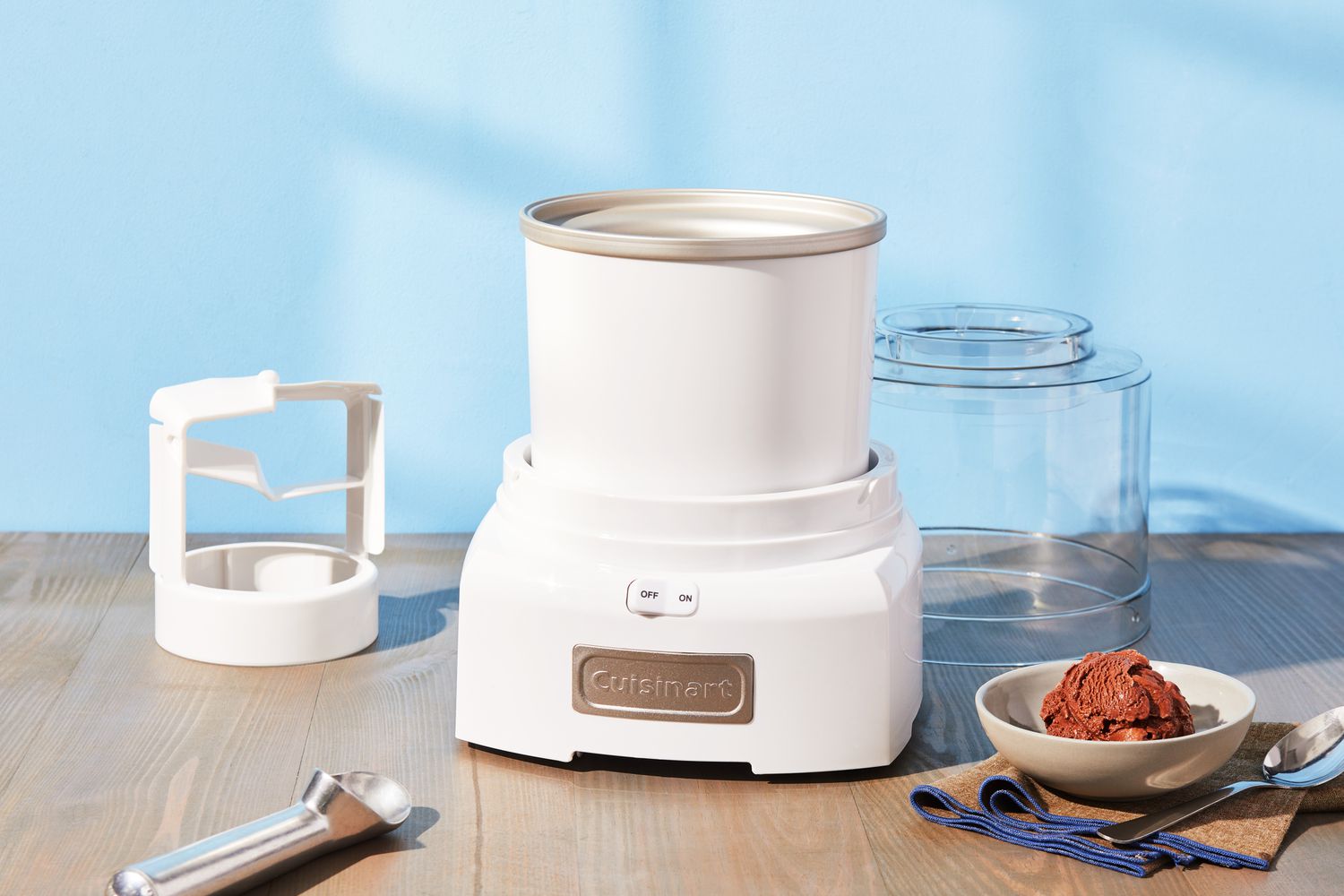
What Exactly is a Commercial Soft Serve Ice Cream Maker?
At its heart, a commercial soft serve ice cream maker is a specialized appliance designed to rapidly produce and dispense a smooth, aerated frozen dessert. Unlike traditional hard-packed ice cream, which is frozen solid and then scooped, soft serve is made continuously and served fresh at a slightly warmer temperature, resulting in its characteristic “soft” texture. These machines are the unsung heroes behind those iconic swirls you find at countless restaurants, cafes, food trucks, and dedicated ice cream parlors worldwide. They take a liquid mix, infuse it with air, and freeze it to the perfect consistency, ready to be served on demand.
The Inner Workings: How These Machines Craft Creamy Perfection
Understanding how a commercial soft serve ice cream maker operates is fascinating, blending refrigeration technology with culinary artistry. The process involves several key components working in harmony:
- The Hopper: This is where your liquid ice cream mix (dairy or non-dairy) is poured and kept chilled before entering the freezing cylinder. Maintaining proper refrigeration here is crucial for food safety and consistent product quality.
- The Freezing Cylinder: The core of the magic. The liquid mix flows into this cylinder, which is kept at extremely low temperatures by a powerful refrigeration system.
- The Dasher/Agitator: Inside the freezing cylinder, a rotating dasher continuously churns and scrapes the freezing mix off the cylinder walls. This prevents large ice crystals from forming, ensuring that signature smooth texture. Crucially, the dasher also whips air into the mix.
- The Compressor: This is the refrigeration unit that chills the freezing cylinder, allowing the mix to solidify while being agitated.
- The Dispensing Nozzle: The final stop. When the handle is pulled, the aerated, semi-frozen product is pushed through the nozzle, creating those irresistible swirls directly into your customer’s waiting cone or cup.
The process of incorporating air into the ice cream mix is known as “overrun.” This isn’t just about volume; it significantly impacts the texture, mouthfeel, and even the profitability of your soft serve. Machines can typically achieve an overrun of 25-50%, meaning the final product has 25-50% more volume than the liquid mix. More air generally leads to a lighter, fluffier product.
There are two primary systems for mix delivery that influence overrun:
- Gravity-Fed Machines: These simpler machines rely on gravity to draw the mix from the hopper into the freezing cylinder. They typically produce a denser product with a lower overrun, often likened to traditional gelato in texture. They are generally easier to clean and more affordable upfront.
- Pump-Fed Machines: Utilizing a pump, these machines actively push the mix into the freezing cylinder and are designed to incorporate a controlled amount of air. This results in a higher overrun, a lighter, fluffier texture, and greater yield, which can translate to higher profit margins per serving. While they require a bit more maintenance, their efficiency and product quality can be a game-changer for high-volume operations.
Choosing Your Sweet Spot: Types of Commercial Soft Serve Machines
Selecting the right commercial soft serve ice cream maker depends entirely on your business needs, space, and desired menu offerings.
- Countertop vs. Floor Models:
- Countertop machines are compact and perfect for businesses with limited space or lower daily volume, such as small cafes, convenience stores, or food stalls. They are often more affordable and portable.
- Floor models are larger, freestanding units designed for high-volume operations like bustling ice cream parlors, large restaurants, or entertainment venues. They typically have greater capacity and more robust cooling systems.
- Single Flavor vs. Multi-Flavor/Twist:
- Single flavor machines offer one type of soft serve at a time. They are ideal for businesses focused on a signature flavor or with limited demand for variety.
- Dual flavor machines allow you to serve two distinct flavors simultaneously.
- Twist machines take it a step further, offering two separate flavors plus a popular swirled combination of both from a single spout. This versatility is excellent for attracting customers with diverse preferences and maximizing menu options.
- Air-Cooled vs. Water-Cooled Systems:
- Air-cooled machines use fans to dissipate heat and are the most common type. They require adequate clearance around the machine for proper airflow to prevent overheating.
- Water-cooled machines use circulating chilled water to cool the system. They are often more efficient in hot environments or where airflow is restricted, but they require plumbing connections, adding to installation complexity.
Unlocking Profitability: The Business Benefits of a Soft Serve Machine
Investing in a commercial soft serve ice cream maker can significantly boost your business’s bottom line and customer satisfaction.
- High-Profit Margins and ROI: Soft serve mix is relatively inexpensive, and with the added volume from overrun, the cost per serving is low. This leads to impressive profit margins, making soft serve a highly lucrative addition to any menu.
- Attracting a Wider Customer Base: Soft serve appeals to virtually everyone, from children to adults. It’s a universally loved treat that can draw in families and a diverse demographic, expanding your reach beyond your core clientele.
- Menu Diversification Beyond Ice Cream: Many modern commercial soft serve machines are incredibly versatile. They can produce not only traditional soft serve ice cream but also frozen yogurt, gelato, sorbet, custards, and even the creamy bases for trendy acai bowls. This allows you to effortlessly expand your menu and cater to various tastes and dietary preferences.
- Customization and Innovation: A soft serve machine is a canvas for creativity. Offer classic flavors like vanilla and chocolate, but don’t stop there. Experiment with unique flavor combinations, seasonal specials (think pumpkin spice in autumn or peppermint in winter), and an exciting array of toppings, sauces, and drizzles. A vibrant topping bar can entice customers and increase average transaction values.
- Consistent Product Quality: These machines are engineered for precision. They maintain consistent temperatures and textures, ensuring that every cone or cup of soft serve your customers receive is perfectly creamy and delicious, building trust and encouraging repeat visits.
- Gaining a Competitive Edge: In a crowded market, offering soft serve can set your business apart. It provides an “extra” that competitors might not have, making your establishment a go-to destination for a delightful frozen treat.
Mastering Your Machine: Effective Usage Tips for Optimal Performance
Getting the most out of your commercial soft serve ice cream maker goes beyond simply pressing a button.
- Preparing Your Mix Correctly: Always follow your mix manufacturer’s instructions precisely for reconstitution (if using powder) and chilling. Proper preparation is the first step to perfect soft serve.
- Maintaining Proper Temperatures: The hopper must keep the liquid mix at a safe, cool temperature (typically 1-4°C) to prevent bacterial growth. The freezing cylinder temperature, controlled by the machine, will determine the final product consistency.
- Optimizing Overrun: For pump-fed machines, understanding and adjusting the overrun can significantly impact your product’s texture and your yield. Experiment to find the ideal balance for your desired creaminess and profitability.
Preserving the Sweetness: Essential Maintenance and Troubleshooting
Just like any high-performance equipment, your commercial soft serve ice cream maker requires diligent care to ensure longevity, hygiene, and consistent product quality.
“A clean machine isn’t just good for business; it’s fundamental to the art of creating truly exceptional soft serve,” advises Chef Anya Sharma, Head of Innovation at Kem Hạnh Phúc. “Neglecting daily cleaning can compromise flavor, texture, and, most importantly, food safety. Think of it as nurturing the heart of your frozen dessert operation.”
- The Daily Cleaning Ritual:
- Disassembly: At the end of each day, carefully disassemble all removable parts that come into contact with the mix, including the hopper, dispensing handles, dasher, and freezing cylinder components.
- Washing: Wash these components thoroughly with warm, soapy, food-grade cleaning solution to remove all residue.
- Rinsing & Sanitizing: Rinse all parts completely with clean water, then sanitize them using a manufacturer-recommended food-safe sanitizer. Rinse again.
- Lubrication: Before reassembly, lubricate all O-rings and seals with food-grade lubricant to ensure smooth operation and prevent leaks.
- Reassembly & Final Sanitization: Reassemble the machine. Many machines have a “wash mode” where you run a sanitizing solution through the entire system before a final clean water rinse.
- Exterior Wipe Down: Clean the machine’s exterior to maintain a professional appearance.
- Weekly/Monthly Deep Cleaning: In addition to daily cleaning, perform a more thorough deep clean periodically, as per the manufacturer’s guidelines. This involves inspecting internal components, ensuring no residue build-up, and checking for wear and tear.
- Condenser Care: Don’t forget the condenser! For air-cooled machines, regularly clean the condenser filter and ensure proper airflow around the unit. For water-cooled machines, ensure a steady supply of clean, cool water. A neglected condenser can lead to overheating and machine breakdowns.
- Common Issues and Quick Fixes: Familiarize yourself with your machine’s manual for basic troubleshooting. Issues like inconsistent product texture, leaks, or slow freezing can often be resolved with proper cleaning, lubrication, or checking mix levels.
- Importance of Professional Servicing: Schedule regular preventative maintenance with certified technicians. They can identify potential issues before they become costly problems, recalibrate settings, and perform deeper inspections.
Beyond Vanilla: Creative Flavors, Toppings, and Presentation Ideas
The beauty of a commercial soft serve ice cream maker is the endless possibility for creativity.
- Classic Flavors: Vanilla and chocolate remain timeless favorites, especially with a twist option.
- Unique Flavor Combinations: Experiment with seasonal fruits, matcha, salted caramel, coffee, or even savory notes. Offer a “flavor of the week” to keep customers excited.
- Topping Bars & Sauces: Elevate the experience with a diverse topping bar featuring sprinkles, cookie crumbles, fresh fruit, nuts, gummy candies, and a selection of gourmet sauces like hot fudge, caramel, and fruit purees.
- Instagram-Worthy Presentations: Encourage sharing by focusing on aesthetics. Use colorful cones, artfully arranged toppings, and unique swirl patterns.
Frequently Asked Questions
How often should a commercial soft serve machine be cleaned?
A commercial soft serve ice cream machine should be thoroughly disassembled, cleaned, and sanitized daily to ensure hygiene and product quality. This daily routine is crucial, especially when working with dairy products.
What’s the difference between gravity-fed and pump-fed soft serve machines?
Gravity-fed machines use gravity to move the mix, resulting in a denser soft serve with lower air incorporation (overrun). Pump-fed machines use a pump to push the mix and incorporate more air, creating a fluffier product with higher yield and often better profit margins.
Can these machines make frozen yogurt or gelato?
Yes, many commercial soft serve machines are versatile and can produce various frozen desserts, including frozen yogurt, gelato, sorbet, and even custard, by using different mixes. Always check the machine’s specifications for its capabilities.
What’s “overrun” and why does it matter?
Overrun refers to the amount of air incorporated into the liquid mix during the freezing process. It affects the soft serve’s texture (more overrun equals fluffier) and your yield, as more air means more volume from the same amount of mix, impacting profitability.
How much space does a commercial soft serve machine need?
The space requirement depends on the model. Countertop machines are smaller and fit on existing counters, while floor models are larger, freestanding units. Both require adequate clearance for proper ventilation, especially air-cooled models.
Conclusion
A commercial soft serve ice cream maker is more than just an appliance; it’s a strategic investment that brings joy to customers and significant value to your business. From understanding the nuanced mechanics of overrun to mastering daily maintenance, every step contributes to the perfect swirl. By embracing the versatility and profitability of these machines, you can diversify your menu, attract a loyal customer base, and elevate your brand as a purveyor of delightful frozen treats. We at Kem Hạnh Phúc are passionate about helping businesses like yours thrive, ensuring every scoop of soft serve is a taste of happiness.