There’s a unique joy that comes from scooping a perfect spoonful of homemade ice cream – that velvety smooth texture, the burst of fresh flavor, and the undeniable satisfaction of creating it yourself. But let’s be honest, achieving that dreamy, creamy consistency can sometimes feel like a culinary quest. That’s where a fantastic Creamy Ice Cream Maker becomes your ultimate kitchen ally, transforming your homemade dreams into a delightful reality. It’s more than just a gadget; it’s the gateway to unlocking professional-quality frozen treats right in your own home.
The Evolution of Ice Cream Makers: A Quest for Creaminess
The journey of ice cream making, from ancient snow-chilled delicacies to today’s high-tech machines, has always been driven by the pursuit of the perfect texture. Early methods were laborious, involving churning mixtures in buckets packed with ice and salt. While effective, they lacked the precision and consistency that modern ice cream makers offer, making truly creamy results a rare triumph.
From Hand-Cranked to High-Tech: A Brief History
For centuries, ice cream was a luxury, its creation a labor-intensive affair. The advent of the hand-cranked ice cream maker revolutionized home production, making it accessible to more households. These machines relied on manual effort to churn the ice cream base within a freezing environment. Fast forward to today, and we have sophisticated electric models, from simple freezer-bowl designs to advanced compressor units, all engineered to achieve optimal creaminess with minimal fuss. This evolution reflects our continuous desire for that smooth, melt-in-your-mouth experience.
The Science Behind Smoothness: Churning and Freezing
What exactly makes ice cream creamy instead of icy? It all comes down to controlling the size of ice crystals. When ice cream freezes, water in the mixture forms crystals. The smaller these crystals are, the smoother and more luscious your ice cream will be. A creamy ice cream maker plays a crucial role by rapidly chilling the mixture and continuously churning it. This dual action prevents large ice crystals from forming, while simultaneously incorporating tiny air bubbles (a process known as overrun). These air pockets add lightness and softness, making your ice cream wonderfully scoopable and delightful on the palate.
Dr. Amelia Vance, a renowned food science expert specializing in frozen desserts, explains, “The secret to truly creamy ice cream lies in managing ice crystal formation. The faster you freeze and the more consistently you churn, the smaller those crystals remain, resulting in that delightful melt-in-your-mouth texture.”
Types of Creamy Ice Cream Makers: Finding Your Perfect Match
Choosing the right ice cream maker is the first step towards achieving your creamy dreams. Different types of machines offer varying levels of convenience, speed, and ultimately, impact on your final texture.
Compressor Ice Cream Makers: The Ultimate Convenience for Creaminess
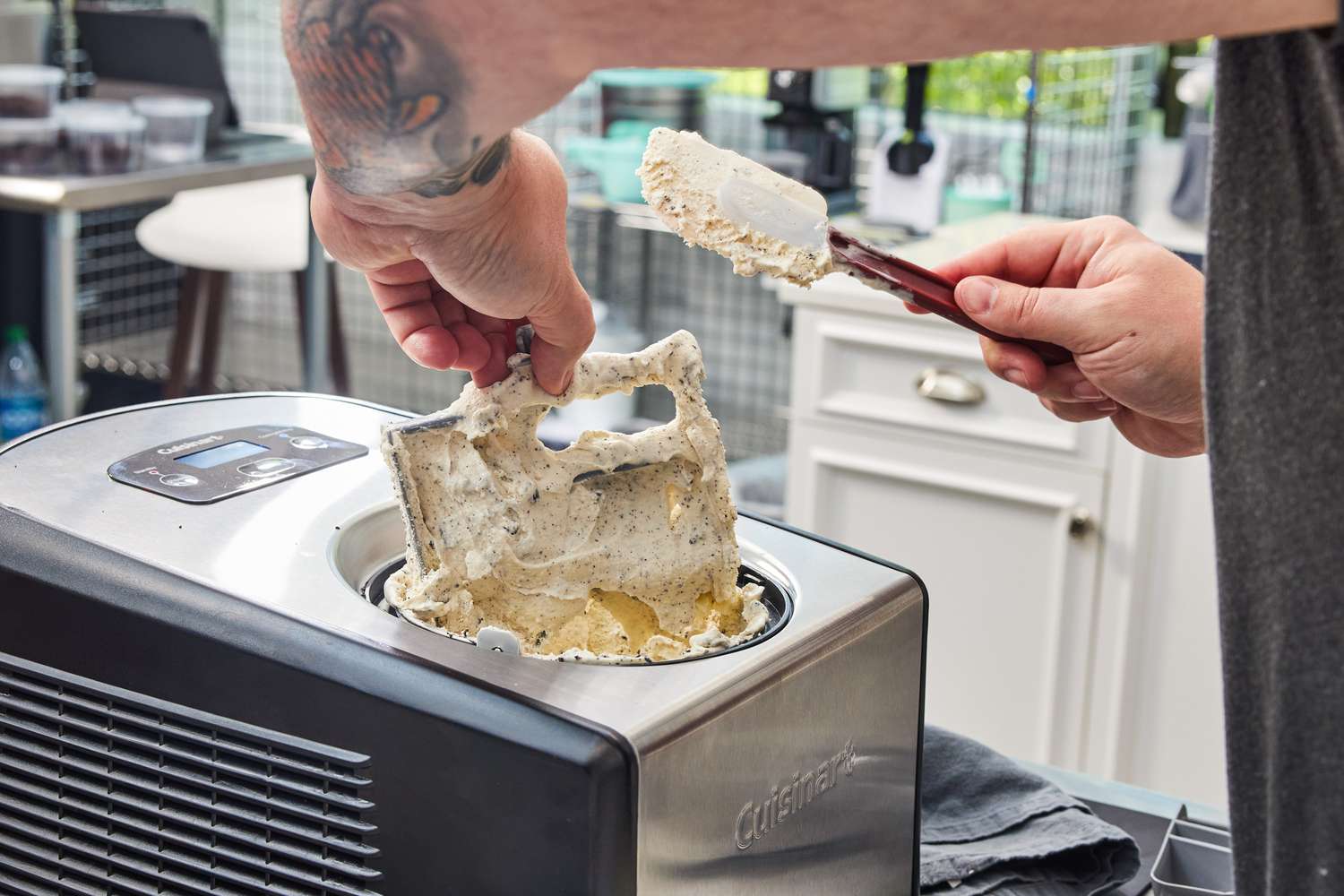
Imagine whipping up batch after batch of gourmet ice cream without any pre-planning. That’s the magic of compressor ice cream makers. These self-freezing units have a built-in refrigeration system, much like a small freezer. You simply pour in your chilled base, press a button, and the machine handles both the cooling and churning.
- How they work: An internal compressor chills the bowl to sub-zero temperatures while a paddle continuously churns the mixture. This consistent, powerful freezing and agitation result in exceptionally small ice crystals and a remarkably smooth texture.
- Pros: No pre-freezing required, allowing for spontaneous ice cream making and multiple batches. Generally produces superior creamy texture. Many models offer advanced features like hardness settings and “keep cool” functions.
- Cons: Tend to be pricier and heavier than other types, requiring more counter space.
Popular choices for a creamy ice cream maker in this category often include models like the Cuisinart ICE-100, Breville Smart Scoop, and the Whynter Automatic Compressor Ice Cream Maker, known for their ability to deliver consistent, professional-grade results. For those seeking the absolute pinnacle of homemade creaminess, high-end models such as the Lello Musso Pola 5030 are essentially commercial machines scaled down for home use, delivering incredibly smooth, dense ice cream.
Freezer Bowl Ice Cream Makers: Simple and Effective
For those on a budget or with limited space, freezer bowl ice cream makers are a fantastic entry point into the world of homemade frozen desserts. These machines consist of a double-walled bowl filled with a cooling gel that needs to be frozen solid before use.
- How they work: The pre-frozen bowl acts as the chilling element. Once frozen (typically 16-24 hours), you insert it into the machine base, add your liquid base, and a motor-driven paddle churns the mixture as it freezes against the cold walls.
- Pros: More affordable, lighter, and generally more compact. Simple to operate and clean. Many models, like the Cuisinart ICE-21 or ICE-30BCP1, are highly effective at producing creamy ice cream and sorbet.
- Cons: Requires advance planning to freeze the bowl. Can only make one batch at a time before the bowl needs to be refrozen.
To get the best creamy results from a freezer bowl creamy ice cream maker, ensure the bowl is thoroughly frozen (at least 24 hours). Starting the machine before pouring in the base can also prevent the mixture from freezing immediately upon contact with the super-cold bowl, leading to a smoother consistency.
How to Use Your Creamy Ice Cream Maker for Perfect Results
Operating a creamy ice cream maker is generally straightforward, but a few key practices can elevate your results from good to absolutely glorious.
Preparing Your Base: The Foundation of Creaminess
The secret to truly creamy ice cream starts with your base. The quality of your ingredients and proper preparation are paramount.
- High-Quality Ingredients: Opt for fresh, full-fat dairy like heavy cream and whole milk. These contribute significantly to a rich, smooth mouthfeel. Using real vanilla beans or high-quality extracts makes a noticeable difference.
- Balanced Sweetness: Sugar not only provides sweetness but also lowers the freezing point, which helps prevent the formation of large, icy crystals. Inverted sugars like corn syrup or honey can further enhance this effect.
- Custard Base (Optional but Recommended): For an even silkier texture, consider making a French-style custard base with egg yolks. Egg yolks act as natural emulsifiers, creating a smoother, more stable mixture.
- Thorough Chilling: This step is non-negotiable! Always chill your ice cream base in the refrigerator for at least 4 hours, or preferably overnight, before churning. A warm base will freeze unevenly and result in larger ice crystals.
The Churning Process: What to Expect
Once your base is perfectly chilled and your ice cream maker bowl is ready (either pre-frozen or pre-chilled by the compressor), it’s time for the magic to happen.
- Start the Machine: For freezer-bowl models, it’s often recommended to start the churner before pouring in the base. This helps prevent the base from instantly freezing to the sides of the bowl.
- Pour and Churn: Slowly pour your chilled base into the machine. The paddle will begin to churn, gradually thickening the mixture as it freezes.
- Monitor Consistency: Churning times vary depending on your machine and recipe, usually between 20-40 minutes. Watch for the ice cream to reach a soft-serve consistency.
Knowing When It’s Done: Texture Cues
The “doneness” of churned ice cream is typically a soft-serve consistency. It should be thick, opaque, and hold its shape briefly on a spoon, but still be quite soft. It won’t be firm enough to scoop into a cone straight from the maker.
After churning, transfer your soft, freshly made ice cream to an airtight container. For optimal firmness and scoopability, freeze it for another 2-4 hours (or longer) in the coldest part of your freezer. This “hardening” phase allows the texture to set perfectly.
Beyond the Basics: Tips for Achieving Unrivaled Creaminess
Even with the best creamy ice cream maker, a few expert tips can make all the difference in achieving that ultimate velvety texture.
Ingredient Secrets: Fat Content, Sugar, and Stabilizers
- Embrace Fat: Don’t shy away from heavy cream! A higher fat content leads to a richer, smoother ice cream with a more luxurious mouthfeel.
- Sugar Smartly: While granulated sugar is fine, incorporating a small amount of inverted sugar (like glucose syrup or even a touch of honey or corn syrup) can further inhibit ice crystal formation, leading to a softer, more pliable scoop.
- Consider Stabilizers (Naturally): If you’re avoiding commercial stabilizers, egg yolks (in a custard base) are excellent natural emulsifiers that contribute to a wonderfully silky texture. A tiny pinch of cornstarch or gelatin can also be used sparingly to improve stability.
Pre-Chilling and Post-Freezing: The Finishing Touches
- Deep Chill Your Base: We can’t stress this enough – the colder your base is before churning, the faster it will freeze in the machine, and the smaller your ice crystals will be. Overnight chilling is ideal.
- Cold Storage is Key: Once churned, transfer your ice cream to an airtight container and place a piece of plastic wrap directly on the surface before sealing the lid. This prevents air exposure and freezer burn, which can lead to ice crystals. Store it in the coldest part of your freezer, ideally at the back, away from the door.
Troubleshooting Common Creaminess Challenges
- Icy Texture: This is usually due to insufficient fat, improper chilling of the base, or slow freezing/churning. Ensure your base is very cold, your machine is working efficiently, and consider adding a bit more cream or an egg yolk to your recipe.
- Too Hard to Scoop: If your ice cream freezes rock-solid, it might have too little fat or too much water. A small amount of alcohol (like a tablespoon of vodka or a liqueur that complements your flavor) can lower the freezing point, making it more scoopable without altering the taste.
- Grainy or Curdled Custard: If you’re making a custard base, overheating the eggs can cause curdling. Cook gently over low heat, stirring constantly, and use a thermometer to avoid overcooking. Straining the base after cooking can also help.
The Joy of Homemade: Why a Creamy Ice Cream Maker is a Game-Changer
Investing in a quality creamy ice cream maker is more than just buying an appliance; it’s investing in a delightful culinary experience and countless moments of joy.
Healthier, Fresher, and Flavorful
When you make ice cream at home, you’re in complete control of the ingredients. You can choose organic dairy, fresh fruits, and natural sweeteners, avoiding artificial flavors, colors, and excessive preservatives often found in store-bought options. This translates to a fresher taste and a healthier treat for you and your family.
Endless Creativity: From Classic Vanilla to Exotic Blends
Your kitchen becomes an ice cream parlor of infinite possibilities. Craving classic vanilla bean? Easy. Dreaming of a unique lavender honey or a spicy chili chocolate? Your creamy ice cream maker makes it possible. You can experiment with different mix-ins – from cookies and candies to fresh herbs and unexpected spices – truly customizing every batch to your liking. It’s an open invitation to culinary adventure!
Creative Creamy Ice Cream Recipes to Get You Started
Here are a few ideas to inspire your creamy ice cream journey:
Classic Vanilla Bean Dream
A timeless favorite, this recipe highlights the pure, rich flavor of real vanilla.
- Ingredients: 2 cups heavy cream, 1 cup whole milk, 3/4 cup granulated sugar, 1 vanilla bean (split and scraped) or 1 tbsp vanilla extract, pinch of salt.
- Instructions: Combine cream, milk, sugar, and salt in a saucepan. If using a vanilla bean, add it to the mixture. Heat gently until sugar dissolves. If using extract, stir in after cooling. Chill thoroughly, then churn in your creamy ice cream maker until soft-serve consistency.
Rich Chocolate Indulgence
For the chocolate lovers, a deeply satisfying and creamy treat.
- Ingredients: 1.5 cups heavy cream, 1 cup whole milk, 1/2 cup cocoa powder, 3/4 cup granulated sugar, 2 oz unsweetened chocolate (chopped), 1 tsp vanilla extract, pinch of salt.
- Instructions: Whisk cocoa powder and a small amount of milk to form a paste. Combine with remaining milk, cream, sugar, and salt in a saucepan. Heat gently, stirring, until sugar dissolves and mixture is warm. Add chopped chocolate and stir until melted and smooth. Remove from heat, stir in vanilla. Chill thoroughly, then churn.
Luscious Lemon Sorbet (Surprisingly Creamy!)
While not technically ice cream, a well-made sorbet can be incredibly creamy.
- Ingredients: 1 cup sugar, 1 cup water, 1.5 cups fresh lemon juice, 1 tbsp lemon zest.
- Instructions: Combine sugar and water in a saucepan; heat until sugar dissolves, creating a simple syrup. Let cool completely. Stir in lemon juice and zest. Chill thoroughly, then churn in your creamy ice cream maker until it reaches a smooth, scoopable consistency. The rapid churning is key to its creamy texture, preventing iciness.
Frequently Asked Questions
Q: What makes ice cream truly creamy?
A: Creamy ice cream is primarily defined by the presence of very small ice crystals. This is achieved through a combination of high-fat ingredients, adequate sugar, proper air incorporation during churning, and rapid freezing of a thoroughly chilled base.
Q: Can I make gelato in a creamy ice cream maker?
A: Absolutely! Most creamy ice cream makers are versatile enough to produce both ice cream and gelato. Gelato typically uses less cream and more milk, often with egg yolks, and is churned slower to incorporate less air, resulting in a denser, richer texture. Some machines even come with specific gelato paddles or settings.
Q: How long does it take to make ice cream?
A: The churning time in a machine can range from 15 to 40 minutes, depending on the type of ice cream maker and the recipe. Compressor models are often faster since they don’t require pre-freezing the bowl. After churning, most homemade ice cream benefits from an additional 2-4 hours of hardening in the freezer.
Q: How do I store homemade ice cream to keep it creamy?
A: Store your homemade ice cream in an airtight container, pressing a piece of plastic wrap directly onto the surface before sealing the lid. This minimizes air exposure, which can cause freezer burn and lead to icy textures. Store it in the coldest part of your freezer.
Q: What’s the ideal fat content for creamy ice cream?
A: While opinions vary slightly, generally a total fat content of around 16-20% is considered ideal for achieving a rich, creamy ice cream. This is typically achieved by using a combination of heavy cream (around 36-40% fat) and whole milk (around 3.5% fat).
Conclusion
Embracing the world of homemade ice cream with a reliable creamy ice cream maker is a culinary adventure that promises delicious rewards. From understanding the science behind that perfect velvety texture to mastering the art of ingredient selection and churning, you are now equipped to create frozen delights that rival the best parlors. So, go ahead, experiment with flavors, savor the freshness, and share the joy of truly creamy homemade ice cream. Your journey to frozen bliss starts now – what delicious creation will you churn first?