There’s a certain magic that happens when you transform simple ingredients into a velvety, luscious scoop of ice cream right in your own kitchen. For anyone with a sweet tooth or a passion for culinary creativity, an Ice Cream Maker isn’t just another kitchen appliance; it’s a gateway to a world of endless frozen possibilities. From the rich creaminess of homemade gelato to the refreshing zing of a fruit sorbet, mastering your ice cream maker allows you to craft bespoke treats that delight your senses and impress your guests.
The journey of frozen desserts is a long and fascinating one, stretching back to ancient civilizations that enjoyed iced treats flavored with fruits and honey. While the concept of chilling and flavoring ingredients has existed for millennia, the ice cream maker as we know it today truly began to take shape in the 19th century. Early models were often simple hand-cranked devices, where a bucket filled with ice and salt surrounded an inner canister holding the ice cream base. Constant manual churning prevented large ice crystals from forming, resulting in a smoother texture.
As technology advanced, so did the ice cream maker. The introduction of electric motors eliminated the need for strenuous hand-cranking, making homemade ice cream more accessible and less labor-intensive. These early electric models still often relied on the ice-and-salt method or pre-frozen bowls. However, the true game-changer arrived with the development of compressor-based ice cream makers, which brought commercial-grade freezing technology into the home kitchen, paving the way for the sophisticated and convenient machines we use today.
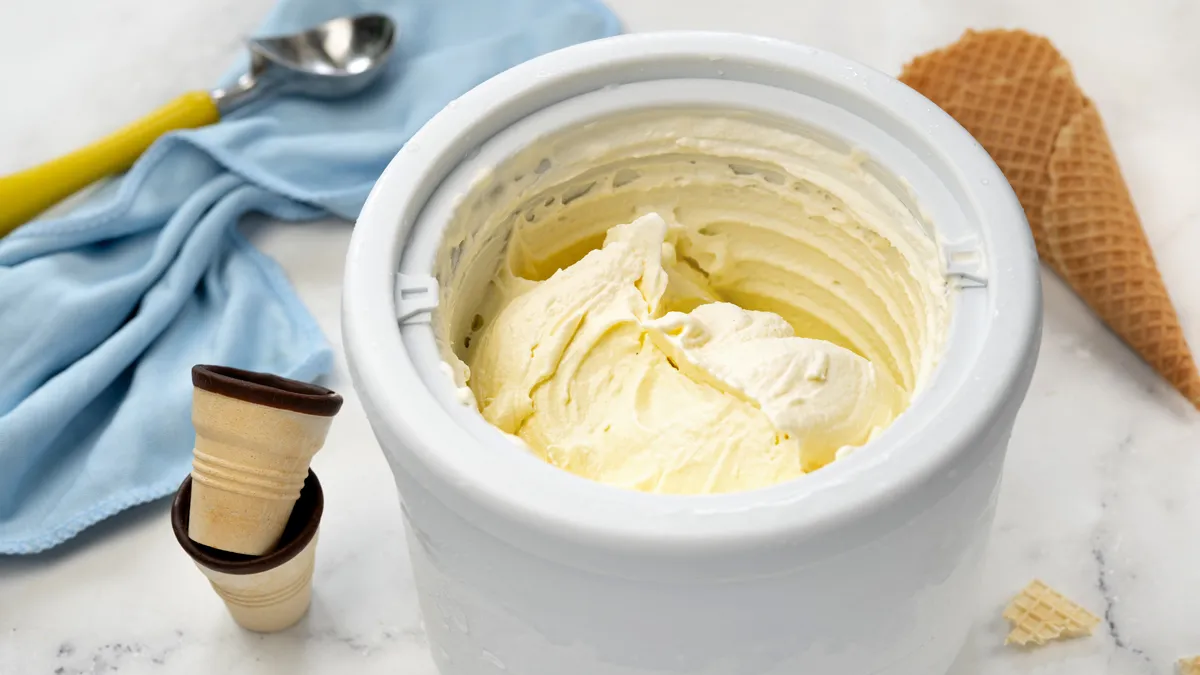
Popular Types of Ice Cream Makers and Their Inner Workings
Understanding the different types of ice cream makers available can help you choose the perfect model for your needs and get the most out of your frozen dessert adventures. While many variations exist, two main categories dominate the home kitchen: freezer bowl and compressor models.
Freezer Bowl Ice Cream Makers
These are often the most common and budget-friendly option. They feature a removable bowl with a special coolant gel sealed within its double walls.
How They Work: To use a freezer bowl ice cream maker, you must pre-freeze the bowl in your freezer for at least 8 to 24 hours until it’s completely solid. Once frozen, you attach it to the machine’s base, add your chilled ice cream base, and activate the motor. A paddle then continuously churns the mixture, and the super-cold walls of the bowl gradually freeze the base, preventing ice crystals from becoming too large and creating that desirable smooth texture.
Pros:
- Affordable: Generally much less expensive than compressor models.
- Compact: Often smaller and lighter, making them easier to store.
- Simple to Use: Straightforward operation once the bowl is frozen.
Cons:
- Requires Planning: You need to remember to freeze the bowl well in advance.
- Single Batch: Typically, you can only make one batch at a time, as the bowl needs to refreeze between uses.
- Freezer Space: You need dedicated freezer space for the bowl.
Compressor Ice Cream Makers
Considered the more advanced and convenient option, compressor ice cream makers feature a built-in refrigeration system.
How They Work: Unlike freezer bowl models, these machines have their own internal cooling unit, much like a small refrigerator. You simply pour in your chilled ice cream base, turn the machine on, and its compressor rapidly cools the mixture while the paddle churns. This means no pre-freezing is required.
Pros:
- Instant Gratification: No pre-freezing means you can make ice cream on a whim.
- Multiple Batches: Ideal for entertaining or making different flavors back-to-back, as it doesn’t need to “recharge.”
- Consistent Results: Often offer more precise temperature control for optimal texture.
Cons:
- Higher Price Tag: Significantly more expensive than freezer bowl models.
- Larger Footprint: Tend to be heavier and bulkier, requiring more counter or storage space.
The Universal Principle of Churning
Regardless of the type, every ice cream maker operates on a fundamental principle: simultaneous freezing and churning. The freezing process solidifies the liquid base, while the continuous churning motion achieves two crucial things:
- Prevents Large Ice Crystals: By constantly scraping the freezing mixture off the sides of the bowl and stirring it, the machine ensures that ice crystals remain small, resulting in a smooth, creamy texture rather than an icy one.
- Incorporates Air (Overrun): The churning action also whips air into the mixture, increasing its volume and creating a lighter, softer consistency. Without this aeration, your ice cream would be a solid block of frozen custard.
Unlocking Culinary Freedom: Benefits of Homemade Ice Cream with an Ice Cream Maker
Owning an ice cream maker is more than just a novelty; it’s an investment in better taste, healthier choices, and endless fun.
Control Over Ingredients for Healthier, Customized Treats
One of the most compelling advantages of making ice cream at home is the complete control you gain over every single ingredient. This means you can:
- Avoid Artificial Additives: Say goodbye to preservatives, artificial colors, and unpronounceable ingredients often found in store-bought options.
- Choose Quality: Opt for fresh, organic fruits, premium vanilla, rich cream, or high-quality chocolate.
- Tailor to Dietary Needs: Easily create dairy-free ice cream with coconut milk or almond milk, reduce sugar content, or make vegan-friendly sorbets and gelatos. It’s perfect for those with allergies or specific dietary preferences. As renowned food scientist Dr. Anya Sharma once noted, “The ability to precisely control sugar and fat content is invaluable for both flavor development and meeting specific dietary requirements, a level of customization store-bought options simply can’t match.”
Endless Flavor Possibilities
Your imagination is truly the only limit when it comes to flavor combinations. Forget the standard vanilla, chocolate, and strawberry!
- Classic Reinvented: Elevate classic flavors with premium ingredients, like a Madagascar vanilla bean ice cream or a dark chocolate chunk gelato.
- Unique Creations: Experiment with adventurous pairings such as lavender honey, matcha green tea, basil lemon, or even savory options like brown butter pecan with a hint of sea salt.
- Seasonal Delights: Incorporate seasonal fruits like fresh peaches in summer or pumpkin spice in autumn.
Unmatched Freshness and Taste
Have you ever noticed how much better fresh bread or freshly brewed coffee tastes? The same principle applies to ice cream. Homemade ice cream, churned just hours before serving, boasts a freshness that store-bought varieties simply can’t match. The flavors are more vibrant, the texture is smoother, and the overall experience is undeniably superior. It’s the difference between eating a perfectly ripe fruit from the garden and one that’s traveled thousands of miles.
Cost-Effectiveness in the Long Run
While the initial investment in an ice cream maker might seem like an expense, it can be surprisingly cost-effective over time, especially if your household enjoys ice cream regularly. The cost of ingredients for a batch of homemade ice cream is often significantly less than purchasing a comparable premium pint from the store. You’ll recoup your investment quicker than you think, all while enjoying superior quality.
A Fun and Rewarding Experience
Making ice cream is a joyful and engaging activity, perfect for families, budding chefs, or anyone looking for a creative kitchen project. There’s immense satisfaction in seeing your concoction transform into a delightful dessert, and the process itself can be a relaxing and enjoyable escape.
Mastering Your Machine: Effective Use and Maintenance Tips
To ensure your homemade ice cream is consistently perfect and your ice cream maker lasts for years, follow these essential tips.
Pre-preparation is Key
- Chill Your Base: Always thoroughly chill your ice cream base in the refrigerator for at least 4-6 hours, or preferably overnight, before churning. A colder base freezes faster and results in smaller ice crystals and a smoother texture.
- Freeze the Bowl (Freezer Bowl Models): For freezer bowl machines, ensure the bowl is completely frozen solid. If you shake it and hear liquid sloshing, it’s not ready. Plan to freeze it for 24 hours for best results.
The Churning Process
- Turn On First: Always turn on your ice cream maker before pouring in your chilled base. This prevents the mixture from instantly freezing to the sides of the bowl, ensuring even churning.
- Don’t Overfill: Remember that ice cream expands as air is incorporated during churning. Fill the bowl to the recommended maximum fill line (usually 1-2 inches from the top) to prevent overflow.
- Monitor Consistency: Churn until the ice cream reaches a soft-serve consistency. This usually takes 20-40 minutes, depending on your machine and recipe. It will be thick but still pliable.
Adding Mix-ins
- Timing is Everything: Add solid mix-ins like chocolate chips, nuts, cookie pieces, or fruit purees during the last 5 minutes of churning. This ensures they are evenly distributed without being over-processed.
Post-Churn Care
- Secondary Freezing (Hardening): After churning, your ice cream will be soft. For a firmer, scoopable consistency, transfer it to an airtight container and freeze it for at least 2-4 hours.
- Airtight Storage: Always store homemade ice cream in an airtight container to prevent freezer burn and keep it fresh for longer.
Cleaning and Storage
- Prompt Cleaning: Clean your ice cream maker’s bowl, paddle, and lid immediately after use. Warm, soapy water is usually sufficient for removable parts. Avoid abrasive cleaners.
- Wipe Down Unit: For compressor models, wipe down the exterior with a damp cloth.
- Proper Storage: Store your machine in a dry, safe place. If using a freezer bowl model, you might consider storing the bowl in the freezer so it’s always ready for your next batch!
Troubleshooting Common Ice Cream Maker Issues
Even with the best preparation, you might encounter a snag or two. Here’s how to tackle common problems:
My Ice Cream is Too Soft/Soupy
- Bowl Not Cold Enough (Freezer Bowl): Ensure the bowl was frozen for the full recommended time, and that your freezer is set to 0°F (-18°C) or colder.
- Base Not Cold Enough: Always pre-chill your base thoroughly.
- Overfilling: Too much liquid can make it harder for the machine to freeze evenly.
- Warm Kitchen: A very warm kitchen can slightly affect freezing, especially for compressor models.
My Ice Cream is Too Hard After Freezing
- Too Little Sugar: Sugar acts as an antifreeze. If you’ve drastically reduced sugar, your ice cream will freeze harder.
- Too Little Fat: Fat contributes to a creamy texture. Low-fat recipes tend to be icier.
- Over-Churning: While rare, over-churning can sometimes incorporate too much air, leading to a harder product.
- Solution: Let hard ice cream sit on the counter for 5-10 minutes before scooping. You can also adjust your recipe to include a small amount of alcohol (which lowers the freezing point) or a stabilizer like guar gum for a softer texture.
The Machine Isn’t Churning
- Overfilled Bowl: The paddle might be stuck if the bowl is too full.
- Base Too Thick: Some custard bases can be very thick, hindering the paddle. Ensure your base has a pourable consistency.
- Improper Assembly: Double-check that all parts are correctly assembled according to the manufacturer’s instructions.
Creative Ice Cream Recipes and Serving Ideas
With your ice cream maker ready, let’s get inspired!
Classic Indulgences
- Vanilla Bean Ice Cream: The ultimate classic. Use real vanilla bean paste or extract for an unparalleled aroma and flavor.
- Rich Chocolate Ice Cream: Experiment with different cocoa powders (Dutch-processed for darker color, natural for fruitier notes) and add chopped chocolate for extra decadence.
- Strawberry Swirl Ice Cream: Blend fresh strawberries into your base or swirl in a homemade strawberry compote after churning.
Unique Flavors to Explore
- Lavender Honey Gelato: Infuse warm milk with culinary lavender, then strain and combine with honey for a sophisticated floral dessert.
- Matcha Green Tea Ice Cream: Whisk ceremonial grade matcha into your base for a vibrant color and earthy flavor.
- Salted Caramel Ice Cream: Swirl in homemade salted caramel sauce during the last few minutes of churning.
- Spiced Pear Sorbet: Poach pears with cinnamon and star anise, then puree and churn for a refreshing, warming treat.
Delightful Serving Suggestions
- Classic Sundaes: Top with whipped cream, chocolate sauce, nuts, and a cherry.
- Affogato: A scoop of vanilla bean ice cream drowned in a shot of hot espresso.
- Ice Cream Sandwiches: Sandwich scoops between homemade cookies.
- Pie à la Mode: A generous scoop alongside a warm slice of apple or cherry pie.
- Milkshakes and Smoothies: Blend your homemade ice cream with milk, fruit, or even a shot of espresso for a luxurious drink.
Frequently Asked Questions About Ice Cream Makers
Is an ice cream maker worth the investment?
Absolutely! If you love fresh, customizable frozen desserts and enjoy experimenting in the kitchen, an ice cream maker is a worthwhile investment. It offers unmatched control over ingredients, endless flavor possibilities, and often proves more economical than buying premium ice cream regularly.
Can I make gelato, sorbet, or frozen yogurt in an ice cream maker?
Yes, most ice cream makers are incredibly versatile. You can typically make gelato, sorbet, frozen yogurt, and even sherbet. The key is to use the appropriate base recipe for each type of dessert, as they differ in fat content, sugar, and air incorporation.
How long does it take to make ice cream?
The churning process usually takes about 20 to 40 minutes, depending on the type of machine and the recipe. However, remember to factor in the chilling time for your base (4-6 hours or overnight) and, for freezer bowl models, the pre-freezing time for the bowl (8-24 hours).
How do I store homemade ice cream?
Always store homemade ice cream in an airtight container in the coldest part of your freezer. This helps prevent freezer burn and maintains its smooth texture. While it’s best enjoyed fresh, properly stored homemade ice cream can last for up to two weeks.
What are some common mistakes to avoid when using an ice cream maker?
Common mistakes include not thoroughly chilling your ice cream base, not adequately pre-freezing the bowl (for freezer models), overfilling the machine, and adding mix-ins too early during the churning process. Following the manufacturer’s instructions and these tips will help you avoid most issues.
Embrace the Joy of Homemade Frozen Delights
Owning an ice cream maker opens up a world of culinary adventure, allowing you to create personalized, delicious, and healthier frozen treats right in your own home. It’s an invitation to explore new flavors, rediscover classic favorites, and share the joy of homemade goodness with friends and family. So go ahead, get creative, and let your ice cream maker bring a little extra happiness to your kitchen. The only limit is your imagination!