For any business aiming to delight customers with exquisite frozen treats, the Industrial Ice Cream Maker isn’t just a piece of equipment; it’s the heart of their operation. This mighty machine transforms simple ingredients into beloved desserts, making it an indispensable asset for cafes, restaurants, parlors, and even large-scale food production. Understanding the nuances of these powerful appliances is key to whipping up success, ensuring every scoop, swirl, and serving maintains impeccable quality and consistency.
From quaint village shops to bustling urban eateries, the journey of ice cream from a luxurious novelty to a mass-produced delight has been fascinating. Early ice cream production was a laborious, hand-cranked affair, a far cry from the automated efficiency we see today. The advent of refrigeration and electrical motors revolutionized the process, paving the way for the sophisticated industrial ice cream maker. These innovations allowed businesses to scale up production, meet burgeoning demand, and consistently deliver the creamy, delightful textures that consumers crave.
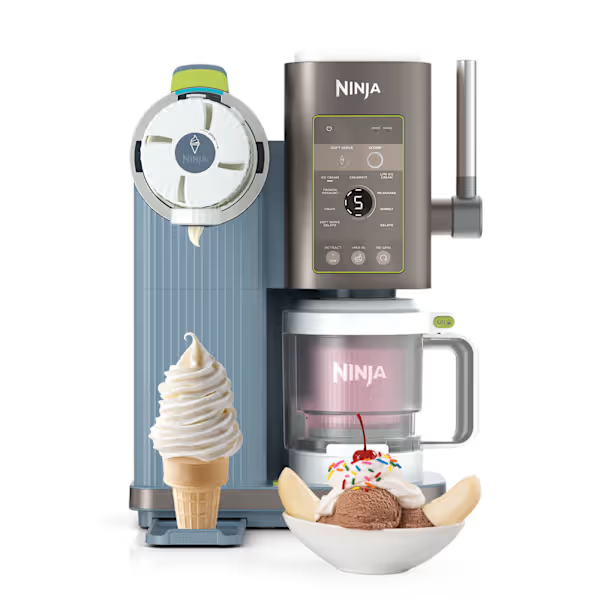
Unpacking the Different Industrial Ice Cream Maker Types
When it comes to choosing an industrial ice cream maker, one size definitely doesn’t fit all. The market offers a diverse range of machines, each designed to excel at specific types of frozen desserts and production volumes.
Soft Serve Machines
Perhaps the most recognizable, soft serve ice cream machines are stalwarts in fast-food chains and ice cream shops. These units continuously freeze and whip a liquid mix, dispensing a light, airy product directly into cones or cups. They come in both gravity-fed and pressure-fed models. Gravity-fed machines introduce less air, resulting in a denser, often richer soft serve. Pressure-fed systems, on the other hand, use a pump to inject more air (known as “overrun”), creating a lighter, fluffier texture and maximizing profitability per serving. You’ll find them in single or multi-hopper configurations, allowing for one or more flavors, or even delightful swirls. Both countertop and floor models are available, catering to various space and volume needs. Many contemporary soft serve machines also boast features like pre-cooling systems for optimal mix storage and low-level indicators to prevent cylinder starvation, ensuring a continuous flow of product.
Batch Freezers
For those aiming for traditional hard ice cream, gelato, or sorbet, batch freezers are the go-to choice. These versatile machines process a single batch of mix at a time, churning and freezing it to a firm, scoopable consistency. Batch freezers typically incorporate less air than soft serve machines, leading to a denser, more intense flavor profile. They are available in vertical configurations, often seen in artisanal shops where mix-ins are added manually during the process, or horizontal models, commonly found in larger ice cream parlors for easy scooping into pans. Multi-purpose batch freezers even offer heating and freezing capabilities, making them incredibly versatile for producing various desserts.
Gelato Machines
Gelato, the Italian cousin of ice cream, demands a specific approach, and dedicated gelato machines are engineered for this purpose. They operate at slower churning speeds and often at slightly warmer temperatures than traditional ice cream makers, incorporating less air. This results in gelato’s signature dense texture and intense flavor. Advanced temperature control systems are common, ensuring the delicate consistency is maintained throughout production.
Rolled Ice Cream Machines
A more recent, visually engaging addition to the commercial landscape is the rolled ice cream machine. These machines feature a flat, super-chilled pan where liquid ice cream base is poured, mixed with toppings, spread thin, and then artfully scraped into rolls. They offer an interactive customer experience and allow for highly customizable creations, making them perfect for trendy cafes, food trucks, and event catering.
Continuous Freezers
At the pinnacle of industrial ice cream production are continuous freezers. These behemoths are designed for very high-volume manufacturing, capable of producing thousands of liters of ice cream per hour. They are integral to large-scale factories, offering unparalleled efficiency and consistency for mass-market ice cream products.
The Inner Workings: How Industrial Ice Cream Makers Craft Delight
The magic behind every perfectly frozen treat from an industrial ice cream maker lies in a sophisticated dance between freezing and churning. At its core, the process involves transforming a liquid mix into a semi-solid, aerated dessert.
It all begins when a carefully formulated liquid mix – typically milk, cream, sugar, and flavorings – is poured into the machine’s hopper. From there, it flows into the freezing cylinder, often referred to as the evaporator. This chamber is surrounded by a robust refrigeration system, including a compressor, condenser, and expansion valve, which continuously lowers the temperature to freezing points.
Simultaneously, an agitator, comprising blades or paddles, tirelessly churns the mix. This constant movement serves two crucial purposes: first, it evenly distributes the freezing process, preventing the formation of large, undesirable ice crystals that would make the ice cream grainy; second, it incorporates air into the mixture. The amount of air introduced, known as “overrun,” significantly impacts the final texture – less air for denser, richer products like gelato, and more air for lighter, fluffier soft serve. Microprocessor-based controls on many modern machines ensure consistency in refrigeration and texture.
Once the ice cream reaches the desired consistency and temperature, it’s either dispensed directly from the machine (as with soft serve) or extracted in batches for hardening and packaging (as with hard ice cream and gelato). The harmony between precise temperature control and continuous agitation is what defines the quality of the final product.
Maximizing Performance: Effective Usage and Key Features
Operating an industrial ice cream maker effectively goes beyond simply turning it on. Strategic usage and understanding key features can significantly impact product quality, operational efficiency, and your bottom line.
Capacity and Output
One of the first considerations is the machine’s capacity and hourly output. Businesses must match the machine’s production capabilities to their customer demand. Small cafes might opt for countertop models with lower output, while busy ice cream parlors or large restaurants will require floor models capable of producing hundreds of servings per hour or large batches of hard ice cream.
User-Friendly Controls
Modern industrial ice cream makers often feature intuitive digital control panels. These allow operators to precisely adjust settings such as freezing temperature, churn speed, and consistency. Digital temperature displays are crucial for monitoring product safety and quality. Features like automatic standby modes can also save energy during off-peak hours.
Energy Efficiency
Energy consumption is a significant operational cost. Look for models with energy-efficient compressors and optimized refrigeration systems. Features like standby modes and efficient insulation can lead to substantial long-term savings on utility bills, contributing to a higher return on investment.
Build Quality and Durability
Industrial environments demand robust equipment. Machines constructed from high-grade stainless steel are durable, easy to clean, and meet food safety standards. A strong warranty and accessible customer support for parts and service are vital considerations, ensuring minimal downtime. As Maria Chen, a seasoned food service consultant, wisely notes, “Investing in a durable industrial ice cream maker is not just about the initial cost; it’s about safeguarding your business’s continuous operation and reputation for quality over many years.”
Condenser Type
Industrial machines typically use either air-cooled or water-cooled condensers. Air-cooled units are generally easier to install and maintain but require good ventilation. Water-cooled units are often more efficient in hot environments and can be quieter, but they require a water line and drain, potentially adding to installation costs and water usage.
Keeping It Running Smoothly: Maintenance and Troubleshooting
Proper maintenance is paramount for the longevity and hygienic operation of any industrial ice cream maker. Neglecting routine care can lead to breakdowns, reduced product quality, and even health code violations.
Daily Cleaning Routine
Daily cleaning is non-negotiable. At the end of each day, the machine should be emptied, and all removable parts – including hoppers, dashers, and dispensing nozzles – disassembled. These components must be thoroughly washed with warm, soapy water, rinsed, and then sanitized using food-safe sanitizers. Following manufacturer’s instructions and local health department guidelines for sanitization is crucial to prevent bacterial growth and ensure food safety.
Lubricating Moving Parts
Regular lubrication of moving parts such as O-rings, seals, and drive shafts with food-grade lubricant is essential. This prevents friction, reduces wear and tear, and ensures the machine runs smoothly and quietly, extending its lifespan. Worn-out seals or O-rings can lead to leaks and affect machine performance, so regular inspection and replacement are important.
Routine Deep Cleaning and Professional Servicing
Beyond daily cleaning, a more comprehensive deep clean should be performed weekly or monthly, depending on usage. This involves a more extensive disassembly and cleaning of internal surfaces. Additionally, scheduling professional servicing at least once or twice a year can help identify and address potential issues before they become costly problems. Technicians can check the refrigeration system, inspect belts, and calibrate controls, ensuring optimal performance.
The Sweet Rewards: Benefits of an Industrial Ice Cream Maker
Integrating an industrial ice cream maker into your business offers a wealth of advantages that go straight to your bottom line and enhance customer satisfaction.
Consistent Quality and Freshness
One of the most significant benefits is the ability to produce consistently high-quality ice cream. These machines are engineered to deliver precise temperature control and consistent churning, resulting in a smooth, creamy texture free from ice crystals. Producing ice cream in-house also ensures unparalleled freshness, a key differentiator that customers appreciate.
Flavor Innovation and Menu Expansion
An industrial machine opens up a world of creative possibilities. Businesses can experiment with unique flavor combinations, seasonal ingredients, and dietary-specific options (like vegan or sugar-free). This allows for dynamic menu expansion, keeping offerings exciting and attracting a broader customer base.
Cost Savings and Increased Profit Margins
Producing ice cream in-house eliminates the need to purchase expensive pre-packaged products, significantly reducing overhead costs. With greater control over ingredients and production, businesses can optimize pricing strategies, leading to higher profit margins. The efficiency of these machines also reduces labor costs over time.
Enhanced Customer Experience
The visual appeal of fresh ice cream being made, the aroma of a newly churned batch, and the ability to offer customized treats all contribute to a superior customer experience. Rolled ice cream, in particular, offers an interactive spectacle that encourages social media sharing and repeat business.
Efficiency and Productivity
Industrial machines are built for speed and volume. They can handle peak demand periods with ease, ensuring customers are served quickly and efficiently, even during busy times. This boost in productivity means more happy customers and more revenue.
Inspiring Innovation: Creative Ideas for Your Industrial Ice Cream Maker
With an industrial ice cream maker, the canvas for creativity is vast. Beyond classic flavors, consider these innovative approaches:
- Signature Seasonal Flavors: Develop unique flavors that utilize local, seasonal ingredients, like “Autumn Spice Pumpkin Gelato” or “Summer Berry Sorbet.”
- Artisanal Topping Bars: Offer a wide array of premium toppings, from gourmet chocolate shavings and exotic fruit compotes to homemade cookie crumbles and unique sauces, allowing customers to personalize their creations.
- Beverage Pairings: Create special ice cream floats with craft sodas, or develop signature milkshakes that become a destination item.
- Dessert Integrations: Utilize freshly made ice cream in other dessert offerings, such as alongside warm apple pie, in decadent sundaes, or as a component of elaborate plated desserts.
- Dietary-Friendly Options: Cater to growing demand for dairy-free, vegan, or low-sugar ice cream by having dedicated production cycles or machines.
Frequently Asked Questions About Industrial Ice Cream Makers
What is “overrun” in ice cream?
Overrun refers to the amount of air incorporated into the ice cream mix during the freezing and churning process. It affects the texture, density, and volume of the final product. Higher overrun results in lighter, fluffier ice cream (like soft serve), while lower overrun creates a denser, richer product (like gelato).
How often should a commercial ice cream machine be cleaned?
Most commercial ice cream machines require daily cleaning of all food-contact parts, especially when processing dairy. Regular deep cleaning (weekly or monthly) and professional servicing (annually or bi-annually) are also recommended to maintain hygiene and optimal performance.
Can industrial ice cream makers produce different types of frozen desserts?
Yes, many industrial machines are versatile. Batch freezers can typically produce hard ice cream, gelato, sorbet, and even frozen yogurt. Soft serve machines are primarily for soft serve, frozen yogurt, and similar dispensed products.
What’s the difference between air-cooled and water-cooled condensers?
Air-cooled condensers use ambient air to cool the refrigeration system, requiring good ventilation. Water-cooled condensers use water to cool the system, which can be more efficient in hot environments and often quieter, but requires a water supply and drain.
How does an industrial ice cream maker contribute to cost savings?
By producing ice cream in-house, businesses eliminate the need to purchase pre-made products, reducing supplier costs. Modern machines are also designed with energy-efficient features that lower utility bills.
The Sweet Taste of Success
The journey of crafting exceptional ice cream is an art, and the industrial ice cream maker is the master’s brush. For businesses like “Kem Hạnh Phúc,” embracing these advanced machines isn’t just about efficiency; it’s about upholding a commitment to quality, innovation, and customer joy. By carefully selecting the right equipment, understanding its operations, and dedicating to meticulous maintenance, any enterprise can turn a simple frozen treat into a powerful engine of success and a source of boundless happiness for their clientele. So go ahead, unleash your creativity and churn out a future full of sweet possibilities!