There’s a special kind of magic in homemade ice cream, a creamy, delightful treat that evokes childhood memories and the simple joys of summer. If you’ve ever dreamt of crafting your own unique flavors right in your kitchen, then the Rival Ice Cream Maker is likely a familiar name, a trusted companion for countless dessert enthusiasts. It’s more than just an appliance; it’s a gateway to fresh, customizable frozen delights that store-bought versions simply can’t match.
The Churn of History: Evolution of the Ice Cream Maker
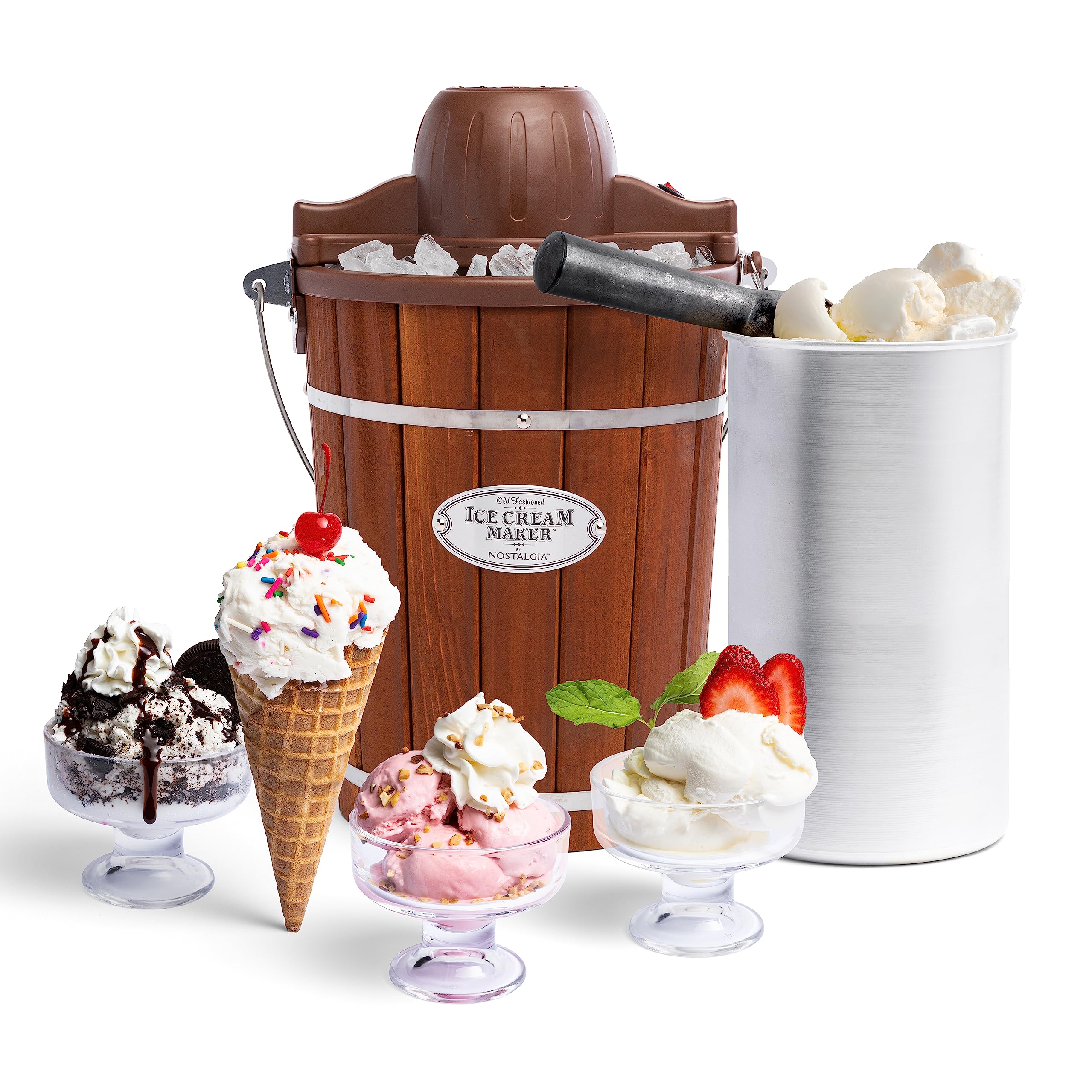
The journey of ice cream itself is a long and fascinating one, stretching back to ancient times. But the invention of the ice cream maker revolutionized its accessibility. Early models were simple hand-cranked wooden buckets, requiring significant manual effort. Over time, innovation brought us electric models, taking the strain out of the process and making homemade ice cream a true leisure activity. Brands like Rival have played a significant role in this evolution, consistently offering reliable and affordable machines that bring the joy of churning to every home, adapting traditional methods for modern convenience.
Understanding Your Rival Ice Cream Maker
Rival has made a name for itself by providing straightforward, dependable ice cream makers. To truly master your machine, it helps to know the different types and how they work their magic.
Two Paths to Creamy Perfection: Rock Salt vs. Freezer Bowl Models
Generally, Rival ice cream makers come in two main varieties, each with its own charm:
- Traditional Rock Salt and Ice Models: These are often the nostalgic choice, featuring a bucket (often plastic or wooden) that houses an inner canister. To operate, you layer crushed ice and rock salt around the canister. The powerful motor then churns the ice cream mixture inside, while the melting ice and salt create a super-cold brine that freezes the ingredients. This method results in a dense, rich ice cream, much like the classic parlor style.
- Modern Freezer Bowl Models: For those seeking convenience, Rival also offers models with a gel-filled freezer bowl. With these, you simply pre-freeze the inner bowl for several hours (or overnight) before use. No ice or rock salt is needed; the pre-frozen bowl does all the chilling work while the motor churns your mixture into a delectable treat. These are often quicker, typically producing ice cream in about 30 minutes.
Dr. Evelyn Reed, a renowned food scientist and culinary historian, notes, “The beauty of Rival’s approach lies in offering both the classic, time-honored rock salt method and the streamlined freezer bowl option. This caters to different preferences, ensuring everyone can find their perfect churning experience.”
Capacities and Features: Finding Your Fit
Rival ice cream makers typically come in various capacities, from 1.5 quarts for smaller batches to generous 4-quart and 6-quart models perfect for family gatherings and parties. Common features include powerful electric motors that eliminate manual cranking, and sometimes translucent lids that allow you to peek at your ice cream as it churns. The canister material is often aluminum, while buckets might be plastic or wood.
Getting Started: Using Your Rival Ice Cream Maker Effectively
Making homemade ice cream is an art, but with your Rival machine, it’s an accessible one. Preparation is key to ensuring a smooth, creamy outcome.
What’s the Secret to the Smoothest Ice Cream? Preparation is Key!
The golden rule for any ice cream maker, especially a Rival, is pre-chilling. Always prepare your ice cream mixture well in advance and chill it thoroughly in the refrigerator for at least an hour, or even two. Cooling the inner canister (or pre-freezing the gel bowl) in the refrigerator beforehand is also highly recommended. This crucial step ensures the mixture freezes more efficiently and results in a smoother, creamier texture, preventing icy disappointments.
When it comes to ingredients, remember that fat content plays a significant role in creaminess. While you can certainly make lower-fat versions by substituting milks and creams, know that higher fat content generally leads to a richer, smoother ice cream.
Step-by-Step Operation for Traditional Rock Salt Models
Using your traditional Rival ice cream maker is a straightforward process, but a few precise steps will guarantee success:
- Assemble with Care: Place the cooled ice cream canister into the center of the outer bucket. Ensure the dasher (paddle) is correctly inserted into the canister, with its bottom fitting into the indentation at the base. Then, place the lid on the canister, followed by the motor drive unit, ensuring the dasher stem engages with the motor.
- Layering Ice and Salt: With the machine plugged in and running, add approximately 2 inches of crushed ice to the bottom of the bucket around the canister. Sprinkle about 1/4 cup of rock salt over the ice. Continue layering ice and rock salt until the ice level reaches the top of the rotating canister. For larger quantities, refer to your specific Rival ice cream maker instructions manual, which might recommend precise salt amounts (e.g., 17 lbs for a 4-quart, 22 lbs for a 5-quart, or 25 lbs for a 6-quart batch) [5 (first set of results, “how to use”)].
- The Churning Process: Let the machine churn for about 20 to 40 minutes, or until the motor stops or the ice cream reaches a soft-serve consistency. The mixture will expand during this process, so ensure you only fill the canister about 3/4 full.
- Hardening for Perfection: Once churning is complete, unplug the machine, remove the motor, and carefully clean the lid to prevent any salt or water from entering the canister. Pack the soft ice cream down, replace the lid (sometimes with a cork provided for a hole), and transfer the canister to your freezer for several hours to harden to a scoopable consistency.
Quick Tips for Freezer Bowl Models
If you have a Rival freezer bowl model, the process is even simpler. Just ensure your gel-filled bowl is thoroughly frozen (usually 12-24 hours) before pouring in your chilled ice cream mixture and starting the churn. You’ll have delicious ice cream in about 30 minutes, without the need for ice or salt.
Crafting Deliciousness: Creative Recipes and Serving Suggestions
The beauty of owning a Rival ice cream maker is the endless possibilities for flavor creation.
Beyond Vanilla: Creative Ideas for Your Churn
While classic vanilla and chocolate are always winners, your Rival ice cream maker opens the door to a world of unique flavors.
- Fruity Fantasies: Experiment with fresh fruit sorbets using pureed berries, lemon, or mango for a refreshing treat.
- Coffee & Cream: For a sophisticated twist, infuse your base with strong coffee for a rich coffee ice cream.
- Mix-in Marvels: Once your ice cream starts to thicken, add your favorite mix-ins: chocolate chips, cookie pieces, chopped nuts, swirls of caramel or fudge, or even crumbled candy bars.
- Philadelphia Style: Many popular recipes, often found in your Rival ice cream maker instructions, are “Philadelphia style” – meaning they contain no eggs, resulting in a slightly lighter, less dense texture.
Serving with Style and Storing for Later
Homemade ice cream is best enjoyed fresh. Serve it in chilled bowls with your favorite toppings like whipped cream, sprinkles, or a drizzle of sauce. If you have leftovers, transfer the hardened ice cream to an airtight container and store it in your freezer. It’s always a good idea to let it soften slightly on the counter before scooping for the best texture.
Keeping It Running Smoothly: Maintenance and Troubleshooting
A little care goes a long way in ensuring your Rival ice cream maker remains a reliable partner in your dessert adventures.
Post-Use Care: The Key to Longevity
Cleaning your Rival ice cream maker immediately after use is crucial. Always unplug the machine first!
- Disassemble and Clean: Take apart the canister, lid, and dasher. Scrape out any remaining ice cream. Wash these removable parts thoroughly with warm, soapy water and rinse completely.
- The Motor Unit: The motor drive unit should never be immersed in water or placed in a dishwasher. Instead, wipe it down gently with a damp cloth.
- Dry Completely: This step is vital! Ensure all components are towel-dried and air-dried thoroughly before storage to prevent mildew, odors, or water spots on aluminum canisters.
Common Issues & Solutions: When Your Churn Goes Awry
Even the most reliable Rival ice cream maker can sometimes face minor hiccups. Here are some common issues and how to troubleshoot them:
- “Why is my ice cream too soft or not freezing?”
- The Quick Answer: The most common culprits are insufficient pre-chilling of the mixture or the canister, or incorrect ice and salt proportions for traditional models.
- Detailed Explanation: If your ice cream mixture or freezer bowl wasn’t cold enough to start, the machine struggles to freeze it. Ensure your mixture is thoroughly chilled and, for freezer bowl models, that the bowl has been frozen for the recommended duration (usually 12-24 hours). For rock salt models, verify you’re using enough crushed ice and rock salt, layered correctly, and that the ambient temperature isn’t too warm [1 (second set of search results), 2 (first set of search results)]. Too much sugar or alcohol in the recipe can also lower the freezing point, making it difficult for the ice cream to set [2 (first set of search results)].
- “My machine isn’t churning or the dasher isn’t moving!”
- The Quick Answer: This often comes down to improper assembly, specifically the motor or dasher not being locked into place correctly [5 (first set of search results)].
- Detailed Explanation: First, unplug the unit. Check that the dasher is correctly positioned at the bottom of the canister. Ensure the motor drive unit is securely seated and engaged with the canister and lid [1 (second set of search results), 3 (second set of search results)]. Sometimes, a small blockage can also prevent movement. If it jams during operation, unplug, twist the canister a few times, then plug back in [1 (second set of search results)].
- General Tip for Longevity: Always consult your specific Rival ice cream maker instructions manual. It’s your best guide for proper assembly, operation, and troubleshooting.
The Sweet Benefits of Your Rival Ice Cream Maker
Investing in a Rival ice cream maker brings a wealth of advantages that extend beyond just delicious desserts.
From Freshness to Fun: The Unbeatable Advantages
- Control Your Ingredients: You decide what goes in – fresh fruits, organic dairy, less sugar, or alternative sweeteners. This is a huge win for those with dietary preferences or allergies.
- Cost-Effectiveness: Over time, making your own ice cream can be more economical than regularly buying gourmet pints from the store.
- A Fun Family Activity: Churning ice cream is a fantastic, interactive activity for all ages, creating wonderful memories and fostering a love for cooking.
- Nostalgia and Connection: For many, the Rival ice cream maker is a link to tradition, evoking a comforting sense of nostalgia [3 (first set of search results)]. It’s about more than just food; it’s about shared experiences.
Frequently Asked Questions (FAQ)
Can I use table salt instead of rock salt in my Rival ice cream maker?
No, it’s generally not recommended. Rock salt (or ice cream salt) is specifically designed to create a colder brine mixture with ice, which is essential for freezing the ice cream properly in traditional bucket models. Table salt has a different crystal structure and can melt ice too quickly, potentially damaging your machine or leading to inconsistent results.
How long does it typically take to make ice cream with a Rival machine?
For most Rival ice cream makers, the churning process usually takes between 20 to 40 minutes [1 (second set of search results), 3 (second set of search results)]. However, this can vary based on your specific model, the recipe, and how well the mixture and canister were pre-chilled. After churning, the ice cream will be soft and typically needs a few hours in the freezer to harden to a scoopable consistency.
Why does my homemade ice cream turn out icy instead of creamy?
Icy ice cream is often a result of insufficient fat in your recipe, not enough air incorporated during churning, or a mixture that wasn’t thoroughly pre-chilled. Ensure your recipe has enough dairy fat, that your machine churns for the full recommended time, and that all ingredients are very cold before you begin. Rapid freezing also helps prevent large ice crystals.
Can I make frozen yogurt or sorbet in my Rival ice cream maker?
Absolutely! Rival ice cream makers are versatile and perfect for making a variety of frozen desserts, including creamy frozen yogurt and refreshing fruit sorbets. Many instruction manuals include recipes for these alternatives, and the process is very similar to making traditional ice cream.
Where can I find replacement parts or an instruction manual for my Rival ice cream maker?
The best places to find official Rival ice cream maker instruction manuals are the manufacturer’s official website or reputable appliance documentation archives online. For replacement parts, check with appliance spare parts retailers, online marketplaces like eBay, or contact Rival’s customer support directly, often via the phone number listed in older manuals or product information [1 (first set of search results), 5 (first set of search results)].
The Sweetest Ending
The Rival ice cream maker stands as a testament to the joy of homemade goodness. From its simple operation to the endless creative possibilities, it empowers you to whip up fresh, delightful frozen treats that bring smiles to faces. By understanding its functions, following simple usage and maintenance tips, and embracing the spirit of culinary adventure, your Rival ice cream maker will continue to churn out happiness, one delicious scoop at a time.