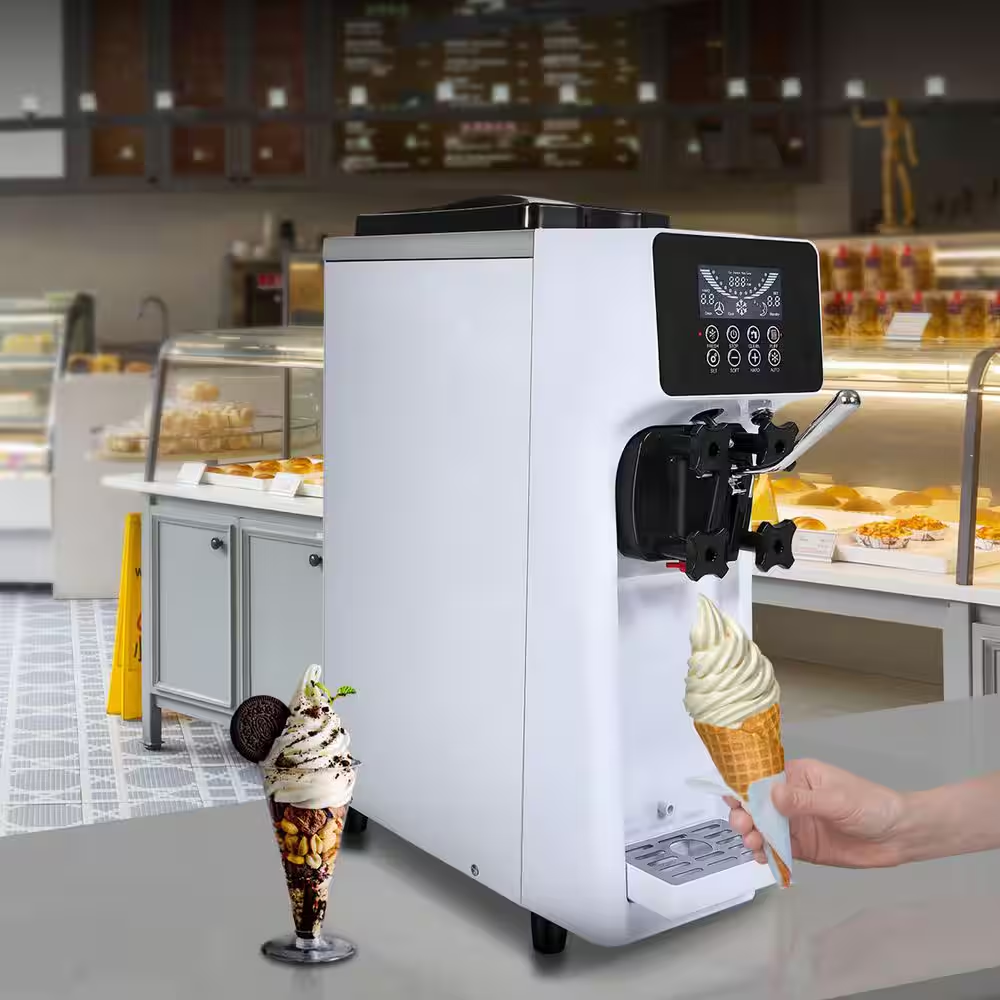
Dreaming of creamy, homemade ice cream but have a compact kitchen? A Small Ice Cream Maker might just be the magical appliance you need to transform your culinary dreams into reality. Forget bulky gadgets; these compact churners are designed for efficiency and convenience, bringing the joy of bespoke frozen treats right to your countertop. Imagine whipping up a fresh batch of your favorite flavor anytime you fancy, with complete control over every ingredient. This isn’t just about making ice cream; it’s about embracing a delicious lifestyle of freshness, creativity, and pure delight.
A Sweet History: From Hand-Cranked Innovation to Compact Convenience
The journey of the ice cream maker is a fascinating one, evolving from simple hand-cranked wooden buckets to the sophisticated, compact units we see today. Historically, making ice cream was a labor-intensive affair, often reserved for special occasions or the affluent. Early ice cream makers, though revolutionary for their time, were often large and required significant physical effort, mixing rock salt and ice to freeze the inner canister.
As technology advanced and kitchens became more integrated with modern appliances, the ice cream maker adapted. The focus shifted towards ease of use and accessibility, paving the way for smaller, more efficient designs. This evolution means that today, even with limited kitchen space, you can enjoy the luxury of homemade ice cream thanks to the ingenious design of the small ice cream maker. These modern marvels reflect a desire for convenience without compromising on quality or the cherished tradition of crafting your own frozen treats.
Why a Small Ice Cream Maker is a Sweet Idea for Your Home
Choosing a small ice cream maker for your kitchen comes with a scoopful of advantages that go beyond just saving space.
Space-Saving and Portable Design
Living in an apartment or a smaller home often means counter space is a precious commodity. Small ice cream makers are specifically designed with this in mind, offering a compact footprint that won’t overwhelm your kitchen. Many models are also lightweight, making them easy to tuck away in a cupboard or even take to a friend’s house for a spontaneous dessert party. Their portability means that delicious homemade ice cream isn’t confined to just your home.
Cost-Effectiveness and Ingredient Control
While there’s an initial investment, a small ice cream maker can be surprisingly cost-effective in the long run. Store-bought gourmet ice creams can quickly add up, especially if you’re indulging frequently. With your own machine, you buy ingredients in bulk, often at a lower per-serving cost. More importantly, you gain complete control over what goes into your dessert. Want to reduce sugar? Prefer organic dairy? Craving a dairy-free treat? A small ice cream maker empowers you to customize every batch to your dietary needs and preferences, avoiding artificial flavors, preservatives, and unnecessary additives. “It’s not just about making ice cream, it’s about crafting a healthier, happier dessert experience tailored just for you,” says Chef Amelia Stone, a renowned pastry expert.
Freshness and Flavor Unmatched
There’s truly nothing like the taste of freshly churned ice cream. The flavors are more vibrant, the texture incredibly smooth, and the experience simply unparalleled. A small ice cream maker allows you to enjoy this peak freshness right in your home. You can make smaller batches, ensuring every scoop is as delicious as the first, without worrying about freezer burn or stale flavors. It’s the ultimate way to savor the nuanced notes of high-quality ingredients.
Decoding the Types: How Small Ice Cream Makers Work
Not all small ice cream makers are created equal. They generally fall into a few main categories, each with its own method of turning liquid into a frozen delight. Understanding these can help you choose the best fit for your sweet cravings.
Freezer Bowl Models: The Classic Compact Choice
What are freezer bowl models? These are often the most common and affordable type of small ice cream maker. They feature a removable double-walled bowl filled with a cooling gel, which needs to be pre-frozen for at least 8 to 24 hours before use.
How do they work? Once the bowl is rock solid, you attach it to the machine base, pour in your chilled ice cream base, and let the paddle churn. The super-cold bowl gradually freezes the mixture as it’s churned, preventing large ice crystals from forming and resulting in a smooth, creamy texture. These are perfect for small households or those who don’t mind planning ahead.
Compressor Models: Instant Gratification, Tiny Footprint
What are compressor models? These are like miniature freezers built into your ice cream maker. They contain their own refrigeration unit, meaning you don’t need to pre-freeze any bowls.
How do they work? Simply pour your mixture in, press a button, and the machine chills and churns simultaneously. While generally a bit larger and more expensive than freezer bowl models, compact compressor units still offer significant space savings compared to their full-sized counterparts. They are ideal for making multiple batches in a row or for those who crave spontaneity in their dessert-making.
The Ninja Creami and Similar Designs: A Modern Twist
What are these models? Machines like the Ninja Creami offer a unique approach. Instead of churning a liquid base, you first freeze your ice cream base in special pint-sized containers for at least 24 hours.
How do they work? Once frozen solid, you insert the pint into the machine, and a powerful blade “shaves” and processes the frozen block into a creamy, aerated dessert. These machines are incredibly versatile, capable of making everything from traditional ice cream to sorbets, smoothie bowls, and even “lite” ice cream with various mix-ins. They are excellent for creating personalized single servings and experimenting with textures.
Mixer Attachments: Utilizing Your Existing Gear
What are mixer attachments? If you already own a stand mixer, you might find small ice cream maker attachments that fit right onto your existing appliance.
How do they work? These typically use a freezer bowl design that attaches to your mixer’s power hub, using the mixer’s motor to churn the ice cream. This is a smart solution if you want to save on an extra appliance and free up cabinet space.
Mastering Your Small Ice Cream Maker: A Step-by-Step Guide
Making homemade ice cream with your small ice cream maker is a simple process once you get the hang of it. Here’s a detailed guide to ensure perfect results every time.
Prepping Your Perfect Base
The secret to fantastic ice cream starts with a well-prepared base.
- Follow a Recipe: Always start with a trusted recipe. Whether it’s a rich custard-style (French) or a simpler Philadelphia-style (American) base, the right proportions are key.
- Chill Thoroughly: This is crucial. Your ice cream base must be thoroughly chilled—ideally in the refrigerator for at least 4-8 hours, or even overnight. A cold base ensures quick freezing and a smooth consistency, preventing your ice cream from turning out soupy.
Getting Your Machine Ready
The preparation depends on the type of small ice cream maker you own:
- For Freezer Bowl Models: Ensure your freezer bowl is completely frozen solid. Give it a gentle shake; if you hear any liquid sloshing, it’s not ready. Keep it in the freezer for 24 hours for best results. Make sure it’s dry before freezing to avoid ice buildup.
- For Compressor Models: No pre-freezing needed! Simply ensure the machine is clean and assembled according to the manufacturer’s instructions.
- For Ninja Creami-Style Models: Your pre-frozen base should be rock solid in its pint container, typically after 24 hours in the freezer.
The Churning Magic & Mix-in Moment
Now for the fun part!
- Assemble: Place the paddle into the bowl, then secure the lid and motor assembly.
- Start the Machine: Turn your ice cream maker ON before pouring in the base. This helps prevent the mixture from freezing instantly to the sides of the bowl in freezer models, leading to icy chunks.
- Pour & Churn: Slowly pour your chilled ice cream base into the running machine through the designated opening. Let it churn. Churning times vary by machine and recipe, but typically range from 15 to 40 minutes, until the mixture has thickened to a soft-serve consistency.
- Add Mix-ins: If you’re adding chunks of chocolate, nuts, fruit, or cookie pieces, do so in the last 5 minutes of churning. This ensures they are evenly distributed without being over-processed. Avoid adding alcohol too early, as it can hinder the freezing process.
The Art of Ripening and Storing
While your ice cream will be soft-serve ready after churning, a period of “ripening” in the freezer will give it a firmer, more scoopable texture.
- Transfer: Scoop your freshly churned ice cream into an airtight, freezer-safe container.
- Freeze: Place it in the freezer for at least 2-4 hours, or overnight, to firm up. This step allows the flavors to meld and the texture to fully develop.
- Enjoy: When ready, take it out a few minutes before serving for perfect scoops!
Keeping Your Compact Churner Happy: Maintenance and Troubleshooting
A well-maintained small ice cream maker will serve you delicious treats for years. Here are some tips for care and common issues.
Easy Cleaning for Longevity
Most small ice cream makers are designed for easy cleaning.
- Disassemble: Always unplug your machine and disassemble all removable parts immediately after use.
- Hand Wash: Wash the bowl, paddle, and lid in warm, soapy water. Avoid abrasive scrubbers, especially on freezer bowls, as they can damage the coating.
- Wipe Down: Wipe the base unit with a damp cloth; never submerge it in water.
- Dry Completely: Ensure all parts are thoroughly dry before reassembling or storing to prevent mildew or odors.
Common Troubleshooting Tips
- Ice Cream Too Soupy:
- Check Bowl Freeze: For freezer bowl models, the bowl wasn’t completely frozen. Ensure it’s in the freezer for the recommended time (typically 24 hours).
- Base Temperature: Your ice cream base wasn’t cold enough before churning.
- Overfilling: Don’t overfill the bowl; leave room for expansion.
- Icy Texture:
- Insufficient Churning: The mixture wasn’t churned long enough or fast enough.
- Too Much Water: Ensure your recipe has enough fat and sugar, and that no water gets into the freezer bowl before freezing.
- Mix-ins: Add mix-ins at the very end to avoid large ice crystals forming around them.
- Machine Stops During Churning:
- Overloaded: The mixture might be too thick, putting a strain on the motor.
- Overheating: Some machines have safety features that automatically shut them off if they overheat. Let it cool down before trying again.
Beyond Basic Scoops: Creative Recipes & Serving Suggestions with Your Small Ice Cream Maker
The beauty of a small ice cream maker lies in its potential for endless creativity. Once you’ve mastered the basics, you can experiment with unique flavors and serving ideas.
Inventive Flavor Combinations
- Fruit Infusions: Blend fresh berries, roasted peaches, or mango puree into your base for vibrant fruit ice creams or sorbets.
- Herbal & Floral Notes: Experiment with lavender honey, rosemary olive oil, or mint chocolate chip for sophisticated flavors.
- Spiced Delights: Cardamom pistachio, ginger molasses, or chili chocolate can add an exciting kick to your frozen treats.
- Coffee & Tea Inspired: Imagine espresso swirl, chai latte, or matcha green tea ice cream.
- Adult Flavors: A dash of liqueur (added at the end of churning!) can elevate flavors – think Bourbon pecan or raspberry Chambord sorbet.
Delightful Serving Suggestions
- Gourmet Sundaes: Layer your homemade ice cream with sauces, fresh fruit, whipped cream, and homemade candied nuts.
- Affogato: A scoop of vanilla bean or coffee ice cream drowned in a shot of hot espresso is pure bliss.
- Ice Cream Sandwiches: Use homemade cookies (chocolate chip, oatmeal, or snickerdoodle) with a generous scoop of your favorite ice cream in between.
- Pie & Cobbler à la Mode: A warm slice of apple pie or berry cobbler is always better with a melting scoop of cold ice cream.
- Creative Toppings Bar: Host an ice cream party with a variety of homemade toppings – from fruit compotes to chocolate ganache, toasted coconut, and mini marshmallows.
FAQ: Your Burning Questions About Small Ice Cream Makers Answered
Q: How long does it take to make ice cream in a small ice cream maker?
A: The churning process typically takes between 15 and 40 minutes, depending on the type of machine and the recipe. However, freezer bowl models require pre-freezing the bowl for 8-24 hours prior to use, and Ninja Creami-style models need the base to be frozen solid for at least 24 hours. Compressor models can make ice cream in about an hour without pre-freezing.
Q: Can I make other frozen desserts besides ice cream?
A: Absolutely! Most small ice cream makers can make a variety of frozen treats, including sorbet, gelato, frozen yogurt, and even healthy fruit soft-serve. Many modern machines also feature settings specifically for these different dessert types.
Q: Is a small ice cream maker worth it if I only make ice cream occasionally?
A: Yes, especially freezer bowl models, which are generally more affordable and compact. If you keep the bowl in your freezer, it’s ready for spontaneous batches. The ability to control ingredients and enjoy fresh, custom flavors often outweighs the occasional use.
Q: How much ice cream can a small ice cream maker make?
A: Small ice cream makers typically have a capacity ranging from a single serving (around 1 cup, like the Dash My Mug) to 2 quarts. This is usually enough for a small family or a few servings to share.
Q: What’s the best way to store homemade ice cream?
A: Store homemade ice cream in an airtight, freezer-safe container to prevent freezer burn. Containers specifically designed for ice cream often have a narrower, deeper shape that minimizes air exposure. For best texture, consume within 1-2 weeks.
Your Journey to Homemade Happiness Starts Here
Embracing a small ice cream maker isn’t just about adding another gadget to your kitchen; it’s about unlocking a world of fresh flavors, creative possibilities, and joyful moments. From crafting healthier alternatives to experimenting with exotic ingredients, your compact churner is a gateway to personalized indulgence. So, go ahead, pick your perfect machine, chill that base, and get ready to swirl up some happiness. The art of homemade ice cream is a delightful journey, and with a small ice cream maker, you’re perfectly equipped to enjoy every delicious step of the way.