Remember that irresistible swirl of soft serve, a childhood memory that still brings a smile? Imagine recreating that perfect treat, with its signature airy texture and melt-in-your-mouth creaminess, right in your own kitchen. With a Soft Serve Ice Cream Maker, this dream isn’t just possible, it’s an exciting journey into the art of homemade frozen desserts. These ingenious appliances are the secret to unlocking a world of customized flavors and joyous moments, proving that sometimes, the best treats are the ones you make yourself.
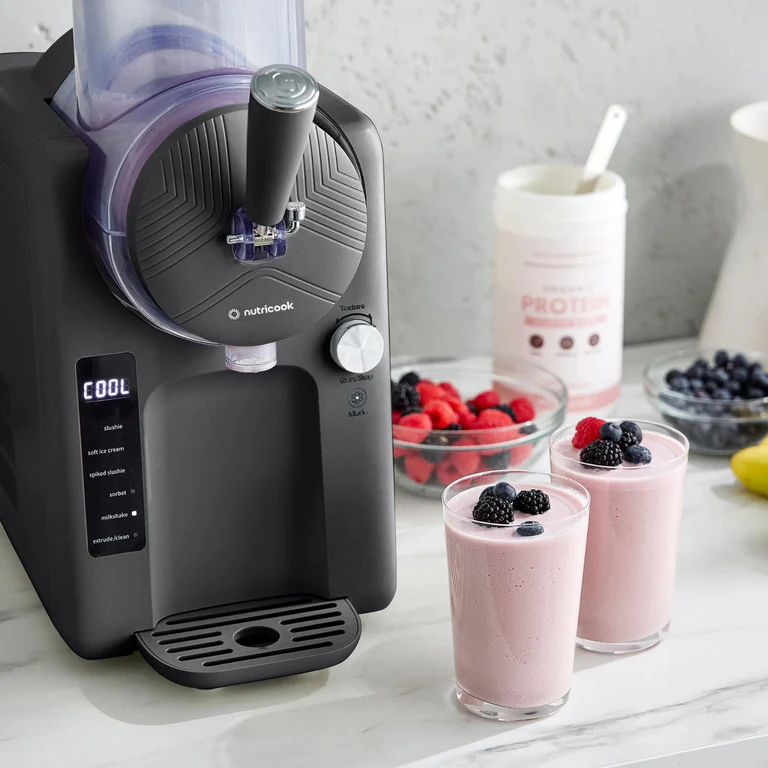
What Makes Soft Serve So Special? The Science Behind the Swirl
Soft serve isn’t just “soft” ice cream; it’s a unique frozen delight with its own distinct characteristics. Unlike traditional hard-scoop ice cream, soft serve boasts a lighter, creamier texture and is typically served at a warmer temperature, usually between -6°C to -4°C (21-25°F). This delicate balance is achieved through a fascinating scientific process, primarily driven by “overrun” – the amount of air incorporated into the ice cream mix during freezing.
A high overrun percentage gives soft serve its signature fluffy, cloud-like consistency. The machine continuously churns and freezes the mixture, preventing large ice crystals from forming, which contributes to its incredibly smooth mouthfeel. Simultaneously, air is whipped in, expanding the volume and creating that delightful lightness. It’s a precise dance of freezing, churning, and aeration that results in the soft, ethereal treat we all adore.
A Journey Through Time: The Evolution of Ice Cream Makers
The story of ice cream is a rich one, dating back centuries, but the soft serve ice cream maker as we know it is a more modern marvel. While early ice cream making involved hand-cranked churns and ice-salt baths, the advent of refrigeration and mechanical churning revolutionized the process.
Soft serve machines emerged to create a product that was dispensed directly from the freezer, eliminating the need for hardening in a separate freezer. This innovation allowed for a product that was consistently smooth and ready to eat immediately, directly contributing to the rise of iconic ice cream parlors and fast-food dessert counters. The evolution continues today, with machines adapting for both commercial efficiency and the convenience of home use, bringing the joy of soft serve right to your countertop.
Decoding Your Dream Machine: Types of Soft Serve Ice Cream Makers
Choosing the right soft serve ice cream maker can feel like navigating a delicious labyrinth, but understanding the different types will guide you to your perfect match, whether you’re a casual home user or aiming for near-professional results.
For the Home Enthusiast: Bringing the Parlor Home
Home soft serve ice cream makers offer a range of technologies to fit every need and budget.
- Compressor-Based Models: These are the “set it and forget it” champions. Equipped with a built-in refrigeration system, they don’t require any pre-freezing of bowls, meaning you can whip up batch after batch of soft serve on demand. This convenience makes them ideal for parties or frequent cravings. The GreenPan™ Frost Ice Cream & Frozen Drink Maker, for example, is lauded for delivering a true soft serve experience at home with fast churning and no pre-freezing required.
- Freezer Bowl Models: Often more budget-friendly, these machines feature a freezer bowl that needs to be pre-frozen, typically for 24 hours, before you can start churning. While they require a bit of planning, they can still produce delicious soft serve. The Dash My Pint is a compact and affordable option that can create a spoonable, soft consistency, though it requires pre-freezing and piping into a cone manually. Similarly, some Cuisinart models, while not dedicated soft-serve dispensers, can achieve a soft-serve consistency if not churned for too long.
- Innovative Technologies:
- Ninja CREAMi (Blender-Style): This unique approach involves freezing your ice cream base in special pints for 24 hours, then using a powerful blade to shave and process it into an airy, creamy consistency. It’s lauded for its versatility and ability to create a wide range of frozen treats beyond just soft serve.
- Yonanas (Fruit Soft-Serve): If you’re seeking a healthier, dairy-free alternative, a Yonanas machine is designed to transform frozen fruit, especially bananas, into a creamy, soft-serve-like dessert. It’s quick, easy, and naturally sweet, perfect for a guilt-free treat.
For the Commercial Visionary: High-Volume Perfection
While our focus at “Kem Hạnh Phúc” is often on the joy of home ice cream making, it’s worth noting the robust world of commercial soft serve machines. These powerhouses are built for high demand and offer specialized features:
- Gravity-Fed vs. Pressurized (Pump-fed) Systems: Gravity-fed machines rely on natural flow, while pressurized systems use pumps to precisely control overrun, resulting in a creamier texture and higher yield.
- Single, Twin, and Twist Flavors: Commercial models often come with multiple hoppers and dispensing options, allowing for single flavors, two distinct flavors, or the iconic “twist” where two flavors merge at the spout.
- Countertop vs. Floor Models: Space and volume needs dictate whether a compact countertop unit or a larger, freestanding floor model is appropriate.
Mastering Your Machine: A Step-by-Step Guide to Perfect Soft Serve
Getting the perfect swirl from your soft serve ice cream maker is a rewarding process. Here’s how to master it:
Preparation is Key
Before you even think about churning, ensure your ingredients are properly chilled. Most soft serve recipes call for a base of heavy cream, whole milk, granulated sugar, and vanilla extract. Some recipes might include dry milk powder for added creaminess or a pinch of salt to balance the sweetness. It’s crucial that your mix is very cold before it enters the machine, especially for freezer bowl models. For those, remember to pre-freeze your bowl for at least 24 hours.
The Churning Process
Pour your chilled liquid base into the machine’s hopper. The machine will then begin its magic: continuously churning and freezing the mixture while incorporating air. The duration varies by machine type, but compressor models can often produce soft serve in under 40 minutes. Freezer bowl models typically take around 20-25 minutes once the churning begins. Monitor the consistency; you’re looking for that smooth, pipeable texture.
Dispensing the Dream
Once your soft serve has reached the ideal consistency, it’s time for the grand finale! If your machine has a dedicated dispenser, pull the lever and watch that perfect swirl emerge. For machines that produce a soft-serve-like texture but don’t have a dispenser, you can use a piping bag with a star tip to create your own iconic swirls in cones or cups.
Post-Enjoyment Cleanup
Hygiene is paramount for any food appliance, and your soft serve ice cream maker is no exception. Regular cleaning ensures not only food safety but also the longevity and optimal performance of your machine. For many home models, removable parts are often dishwasher-safe, making cleanup relatively straightforward. For a thorough clean, disassemble the parts, wash them with warm, soapy water, rinse thoroughly, and allow them to air dry completely before reassembling. Some commercial-style features like heat-treat cycles can reduce daily disassembly needs, keeping the machine sanitized overnight.
Beyond Vanilla: Unleashing Your Soft Serve Creativity
While classic vanilla soft serve is undeniably delicious, owning a soft serve ice cream maker opens up a universe of creative possibilities.
Classic Soft Serve Recipe
A basic soft serve base often includes:
- Heavy cream
- Whole milk
- Granulated sugar
- Vanilla extract
- A pinch of salt (to enhance flavor and control texture)
Combine these ingredients, ensuring the sugar fully dissolves, and chill the mixture thoroughly before churning.
Flavor Variations
Don’t stop at vanilla!
- Chocolate Dream: Whisk in cocoa powder to your base. For best results, mix cocoa powder with a small amount of warm liquid first to create a paste, preventing lumps.
- Fruity Delights: Blend in fruit purees like strawberry, raspberry, or mango for vibrant, refreshing flavors.
- Coffee Kick: Add instant espresso powder or a shot of cold-brew coffee concentrate for an energizing treat.
Mix-Ins and Toppings
The true fun begins with personalization! As Chef Isabella Rossi always says, “Homemade soft serve is a canvas for your culinary imagination. The joy isn’t just in the making, but in the limitless ways you can express yourself with flavors and textures.”
- Classic Crumblers: Sprinkles, crushed cookies, chopped nuts, mini chocolate chips.
- Sauce Sensations: Drizzle with chocolate syrup, caramel sauce, fruit compotes, or even a spicy hot fudge.
- Fresh & Fruity: Top with fresh berries, sliced bananas, or a dollop of whipped cream.
- Candy Craze: Incorporate chopped candy bars or gummy bears for an extra layer of sweetness and texture.
Serving Suggestions
Serve your homemade soft serve in classic waffle cones, elegant dessert cups, or transform it into elaborate sundaes layered with your favorite toppings. You can also use it as a creamy topping for pies, brownies, or fruit tarts.
Why a Soft Serve Ice Cream Maker is a Sweet Investment
Investing in a soft serve ice cream maker for your home is more than just buying another kitchen gadget; it’s an investment in joy, creativity, and conscious indulgence.
- Health and Customization: You have complete control over the ingredients, allowing you to choose organic dairy, reduce sugar content, or experiment with dairy-free alternatives. This is perfect for managing dietary needs or simply knowing exactly what goes into your family’s treats.
- Cost-Effectiveness: While there’s an initial outlay, making soft serve at home can be significantly more economical in the long run than frequent trips to ice cream shops, especially if you have a family of soft serve enthusiasts.
- Fun for All Ages: It transforms dessert time into an interactive and educational activity for kids. The magic of watching liquid turn into a creamy swirl is captivating, and involving them in choosing flavors and toppings fosters creativity.
- Entertainment Value: A soft serve machine can be the centerpiece of any gathering, offering guests a customizable dessert bar experience that’s both delicious and memorable.
Troubleshooting Common Soft Serve Snags
Even the most seasoned home chefs can encounter a hiccup or two. Here are some common issues and how to resolve them:
“My soft serve is too hard/icy!”
Why it happens: This often occurs because the soft serve is too cold, either from being left in the machine too long or attempts to store it in a regular freezer. Soft serve is designed to be served at a warmer temperature than hard ice cream, and regular freezers will cause it to harden significantly. Insufficient aeration (overrun) can also lead to an icier texture.
The fix: Serve immediately after churning. If you must store it, enjoy it before it completely hardens. Ensure your recipe has enough sugar, as sugar helps depress the freezing point, keeping the ice cream softer.
“My machine isn’t freezing properly!”
Why it happens: For freezer bowl models, the bowl might not have been frozen long enough (24 hours is usually required). For all machines, the mix might not have been chilled sufficiently, or the room temperature could be too warm.
The fix: Double-check pre-freezing times for freezer bowls. Always chill your liquid base for at least 1-2 hours (or overnight) before adding it to the machine. Ensure your kitchen isn’t excessively hot during operation.
“Cleaning feels like a chore!”
Why it happens: Let’s be honest, cleaning any appliance can sometimes feel tedious.
The fix: Make it part of your immediate post-dessert routine. Most home soft serve makers have removable parts that are easy to wash by hand or are dishwasher-safe. A quick rinse between batches if you’re making different flavors can also help prevent residue buildup. Regular, thorough cleaning is essential for hygiene and to prevent future operational issues.
Expert Insights: A Word from Chef Isabella Rossi
“The beauty of a soft serve ice cream maker lies in its ability to transform simple ingredients into a moment of pure bliss,” shares Chef Isabella Rossi, a celebrated pastry chef known for her innovative frozen desserts. “It’s not just about the sweetness; it’s about the texture, the customizability, and the sheer joy of creating something truly special. Embracing the process, from choosing the freshest cream to experimenting with unexpected flavor combinations, is where the real magic happens.”
Frequently Asked Questions
What is the best soft serve ice cream maker for home use?
The “best” depends on your priorities. For immediate, continuous soft serve without pre-freezing, a compressor-based model like the GreenPan™ Frost is highly recommended. If versatility across different frozen desserts is key, the Ninja CREAMi offers unique processing. For budget-conscious users willing to pre-freeze, models like the Dash My Pint can deliver.
Can I make soft serve without a special machine?
Yes, you can! There are methods like the “bag-in-a-bag” technique using ice and salt to rapidly chill and semi-freeze a cream mixture. While it won’t have the same aeration as a machine, it can achieve a soft-serve-like consistency. Some advanced recipes even use dry ice for a quick effect.
What’s the difference between soft serve and regular ice cream?
Soft serve is churned and aerated more rapidly and is served at a warmer temperature than traditional hard-scoop ice cream. This process incorporates more air (overrun), resulting in its characteristic lighter, smoother, and softer texture. Hard ice cream has less air and is frozen to a lower temperature for a firmer consistency.
How long does homemade soft serve last?
Soft serve is best enjoyed immediately after it’s made. If you place it in a regular freezer, it will typically harden into a consistency similar to regular ice cream due to the lower temperature. It loses its signature “soft” characteristic quickly once removed from the machine.
Are soft serve machines hard to clean?
Most home soft serve machines are designed for relatively easy cleaning. Many feature removable parts that can be hand-washed or are dishwasher-safe. Commercial machines might have more components but often include features like heat-treat cycles to simplify daily sanitation. The key is consistent cleaning after each use to prevent residue buildup.
Do I need special soft serve mix?
Not necessarily. Most home soft serve ice cream makers work wonderfully with a simple homemade base of milk, cream, sugar, and flavorings. While commercial operations often use pre-made mixes for consistency and convenience, crafting your own allows for endless customization.
The world of soft serve ice cream makers is waiting to transform your kitchen into a joyful dessert haven. From the comforting simplicity of a vanilla swirl to the adventurous spirit of unique flavor combinations, these machines empower you to craft perfect, creamy delights at your fingertips. Embrace the art of homemade soft serve, experiment with ingredients, and share the happiness that only a freshly made, perfectly swirled cone can bring. Your journey into delicious frozen dreams starts now.