There’s a special kind of magic in homemade ice cream, a creamy indulgence that store-bought versions simply can’t replicate. For those who truly savor this experience, the choice of equipment is paramount. Enter the Stainless Steel Ice Cream Maker, a true workhorse in the kitchen that promises not just delicious desserts, but also durability, hygiene, and peace of mind. As a strategist for “Kem Hạnh Phúc,” I believe that investing in a quality stainless steel ice cream maker is the first step towards unlocking a world of frozen delight, transforming simple ingredients into extraordinary treats right in your own home.
The Enduring Legacy of Ice Cream Makers: A Brief History
The journey of frozen desserts is a fascinating one, dating back to ancient civilizations that relished flavored ices. For centuries, making these cooling treats was a laborious affair, often requiring constant manual stirring in tubs of ice and salt. This all changed with a pivotal invention in 1843 when Nancy M. Johnson of Philadelphia patented the first hand-cranked ice cream maker in the United States. Her ingenious design, featuring an inner dasher that continuously churned the mixture, revolutionized home ice cream production, making it accessible to a wider audience.
Fast forward to the early 20th century, and the widespread advent of electricity brought forth electric ice cream makers, further simplifying the process and allowing for even greater consistency. While the fundamental principle of simultaneous freezing and churning to prevent large ice crystals remains, modern advancements have seen a significant shift towards materials that prioritize both performance and health. Today, the focus is squarely on durable, non-reactive components, with the stainless steel ice cream maker emerging as the preferred choice for discerning home chefs and professionals alike.
Why Stainless Steel is the Star of Your Kitchen: Unpacking the Benefits of a Stainless Steel Ice Cream Maker
When it comes to kitchen appliances, stainless steel has long been celebrated for its superior qualities, and stainless steel ice cream makers are no exception. The benefits extend far beyond mere aesthetics, deeply impacting the quality and safety of your homemade creations.
First and foremost is its durability and longevity. Stainless steel is incredibly robust, resisting dents, scratches, and corrosion, ensuring your machine stands the test of time through countless batches of ice cream. “A stainless steel ice cream maker isn’t just an appliance; it’s an heirloom,” remarks Chef Anya Petrova, a celebrated pastry artist. “It endures, just like our passion for exquisite desserts.”
Then there’s the critical aspect of hygiene and ease of cleaning. Stainless steel boasts a non-porous surface, making it exceptionally easy to clean and less prone to harboring bacteria. This is crucial when working with dairy products, ensuring every batch of ice cream is as fresh and pure as possible. A quick wipe-down and proper sanitization mean less time scrubbing and more time enjoying your delicious treats.
Perhaps most importantly, stainless steel is non-reactive and food-safe. Unlike certain plastics or other metals that can leach chemicals or alter the taste of your ingredients, stainless steel remains inert, preserving the pure flavors of your carefully selected cream, sugar, and essences. It creates a truly chemical-free environment for your food, preventing concerns over harmful substances like BPA found in some plastic components. This makes a stainless steel ice cream maker a top pick for health-conscious individuals seeking a non-toxic gelato or ice cream machine.
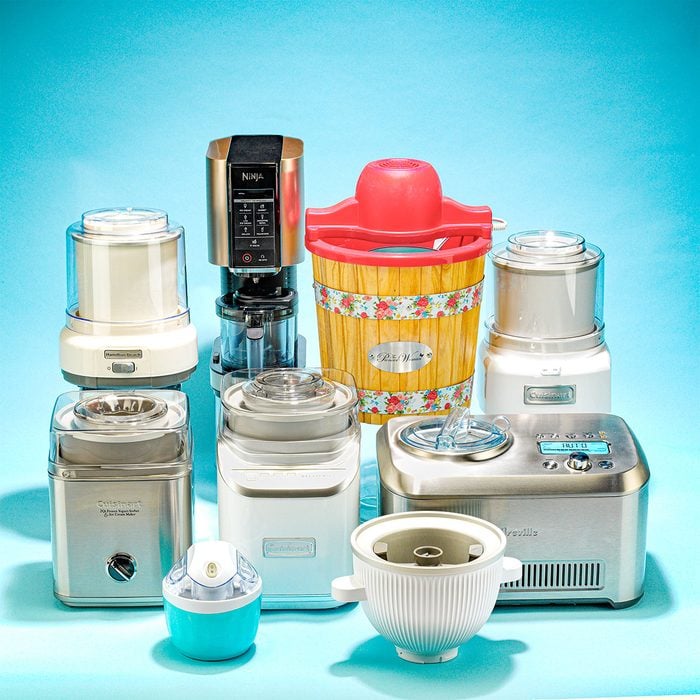
Understanding Your Churning Companion: Types of Ice Cream Makers and How They Work
The world of ice cream makers offers several pathways to frozen bliss, each with its own charm and operational style. While the core principle of freezing and churning simultaneously to achieve that coveted smooth texture remains constant, the cooling mechanisms differ. Many of these designs now embrace the benefits of stainless steel for their critical food-contact components.
Compressor Models: The Convenience Kings
These sophisticated machines come with a built-in refrigeration unit, meaning no pre-freezing is required. You simply pour in your chilled mixture, set the timer, and let the machine work its magic. This allows for continuous use, making batch after batch without waiting, which is perfect for entertaining or experimenting with multiple flavors. While often a higher initial investment, the convenience and consistent results of a stainless steel ice cream maker with a compressor are unparalleled. Many high-end models feature stainless steel bodies and bowls for maximum durability and hygiene.
Freezer Bowl Models: Budget-Friendly and Effective
These popular models utilize a double-walled bowl containing a refrigerant liquid that needs to be frozen solid in your freezer, typically for 12 to 24 hours, before churning can begin. Once frozen, the bowl is placed in the machine, and the paddle churns the mixture against its icy walls. They are generally more affordable and excellent for occasional use, though they usually only produce one batch at a time before the bowl needs re-freezing. Look for versions with stainless steel paddles or BPA-free plastic for food safety.
Manual Hand-Crank Models: A Nod to Tradition
For those who appreciate a more hands-on approach and the charm of yesteryear, hand-crank ice cream makers are a delightful option. Often encased in classic wooden buckets with stainless steel interiors, these machines require some good old-fashioned elbow grease. They are simple, typically chemical-free, and perfect for small batches or for creating a fun, interactive dessert experience. The robust construction of a stainless steel ice cream maker of this type ensures it can withstand the manual effort, becoming a cherished family tradition.
Regardless of the type, the magic truly happens inside: the constant churning motion, combined with freezing, prevents the formation of large ice crystals, resulting in the incredibly smooth, creamy texture we all adore.
Mastering Your Stainless Steel Ice Cream Maker: Tips for Perfect Batches
Achieving that perfect scoop isn’t just about the machine; it’s about technique. Here’s how to get the most out of your stainless steel ice cream maker:
- Chill Your Mix Thoroughly: Always pre-chill your ice cream base in the refrigerator for at least 4 hours, or preferably overnight. A cold base helps the mixture freeze faster and more evenly, resulting in a smoother texture and preventing your machine from overworking.
- Don’t Overfill: Never fill your ice cream maker bowl to the brim. The mixture expands as air is incorporated during churning, so leave ample space, usually about two-thirds full, to avoid overflow.
- Follow Timing Guidelines: While recipes provide general churning times, observe your ice cream. It’s usually ready when it reaches a soft-serve consistency, often within 20-40 minutes depending on the machine and recipe.
- Harden for the Perfect Scoop: For firmer, scoopable ice cream, transfer your freshly churned soft-serve to an airtight container and freeze for at least 2-4 hours. This allows the ice cream to “cure” and develop its full texture.
Keeping Your Stainless Steel Sparkle: Care and Troubleshooting
A key advantage of a stainless steel ice cream maker is its ease of maintenance. To ensure its longevity and continued stellar performance:
- Clean Immediately: After each use, disassemble the removable parts and wash them with warm, soapy water. Stainless steel bowls and paddles are often dishwasher safe, but always check your manual.
- Wipe Down the Exterior: Use a damp cloth to wipe the exterior, especially around the control panel, to remove any drips or splashes.
- Troubleshooting Common Issues:
- Ice Crystals: If your ice cream is icy, ensure your mix was thoroughly chilled, you didn’t overfill, and your freezer bowl (if applicable) was fully frozen. Using full-fat dairy and a stabilizer (like a small amount of corn syrup or a tiny pinch of xanthan gum) can also help.
- Machine Not Freezing: For freezer bowl models, ensure the bowl was frozen for the recommended time. For compressor models, check if the settings are correct and the unit is plugged in securely.
Beyond Basic Vanilla: Creative Recipes and Serving Ideas with Your Stainless Steel Ice Cream Maker
With a stainless steel ice cream maker at your disposal, the culinary possibilities are endless! Beyond classic vanilla and chocolate, you can explore a universe of flavors. Consider making artisanal gelato with its denser texture, refreshing sorbets bursting with fruit, or even decadent frozen yogurts.
“The beauty of a stainless steel ice cream maker is that it empowers you to be an alchemist of flavor,” says Maria Nguyen, “Kem Hạnh Phúc’s” Head of Product Innovation. “From experimenting with exotic spices like cardamom or turmeric to infusing herbal notes with fresh mint or basil, your kitchen becomes a laboratory of delicious discovery.”
Think about incorporating local, seasonal fruits for vibrant sorbets, or swirling in homemade caramel and roasted nuts for an elevated dessert. The ability to control ingredients means you can create healthier options, reducing sugar or using alternative sweeteners, making homemade ice cream a delightful and guilt-free pleasure. Serve your creations in elegant glasses, with a drizzle of sauce, fresh berries, or a sprinkle of chopped pistachios for a truly gourmet experience.
Frequently Asked Questions About Stainless Steel Ice Cream Makers
Q: How long does it take to make ice cream in a stainless steel machine?
A: Churning time varies by machine type and recipe. Compressor models typically produce soft-serve in 20-40 minutes, while freezer bowl models can take 20-30 minutes after the bowl has been pre-frozen. Manual machines depend on your cranking speed!
Q: Is stainless steel truly non-toxic?
A: Yes, food-grade stainless steel (like 304 stainless steel) is considered highly non-toxic and non-reactive. It does not leach harmful chemicals into your food, making it a safe choice for food preparation.
Q: Can I make sorbet or gelato in my stainless steel ice cream maker?
A: Absolutely! Most ice cream makers are versatile enough to create various frozen desserts, including ice cream, gelato, sorbet, and frozen yogurt. Recipes for each type will guide you on ingredient ratios and churning times.
Q: How do I clean my stainless steel ice cream maker effectively?
A: For best results, clean all removable parts immediately after use with warm, soapy water. Many stainless steel components are dishwasher safe. For the exterior, wipe with a damp cloth and dry thoroughly to prevent water spots.
Q: What capacity stainless steel ice cream maker is best for me?
A: Consider your needs. Smaller capacities (1.5-2 quarts) are great for individuals or small families, while larger machines (4-6 quarts or more) are ideal for entertaining or making big batches for storage.
Conclusion
The journey into crafting your own frozen delights begins with the right tools, and a stainless steel ice cream maker is undoubtedly a star player. Its unparalleled durability, superior hygiene, and commitment to pure, untainted flavors make it an indispensable appliance for any home kitchen. At “Kem Hạnh Phúc,” we believe in fostering a passion for quality and creativity, and this essential machine embodies those very values. So, embrace the art of homemade ice cream, experiment with bold flavors, and share the joy of these sweet, creamy moments with loved ones. Your stainless steel ice cream maker is more than just a device; it’s a gateway to delicious possibilities, ready to churn happiness into every scoop.